
In the dynamic world of sports betting, the ability to identify inefficient odds can be the difference between consistent profit and continual loss. Inefficient odds occur when bookmakers misprice an event, offering a payout that does not accurately reflect the true probability of an outcome. Skilled bettors understand that these opportunities exist in every market, but uncovering them requires a blend of analytical skill, experience, and strategic thinking. The first step in identifying inefficient odds is a thorough understanding of probability and value. Bettors must be able to calculate the implied probability of odds offered by the bookmaker and compare it to their own assessment of the event’s likelihood. This often involves a combination of statistical analysis, historical performance data, and situational factors that may not be fully incorporated into the bookmaker’s model. When the bettor’s assessment suggests a higher probability than implied by the odds, the opportunity represents positive expected value, signaling a potential inefficiency to exploit.
Data analysis plays a central role in spotting these discrepancies. Modern bettors leverage advanced statistical models to estimate outcomes more accurately than traditional methods. For example, in soccer betting, detailed models might incorporate team form, player availability, tactical approaches, weather conditions, and even referee tendencies. By inputting these variables, bettors can generate a probability estimate that may differ significantly from the bookmaker’s implied odds. If the model predicts a 60% chance for a team to win while the bookmaker’s odds suggest only a 50% chance, a clear inefficiency exists. However, recognizing the inefficiency is only half the battle; understanding the underlying reasons behind the bookmaker’s pricing is equally important. Bookmakers may adjust odds based on betting volume rather than pure probability, skewing prices to balance their books. Sharp bettors often capitalize on this by monitoring betting patterns and identifying when public opinion has pushed odds away from true value.
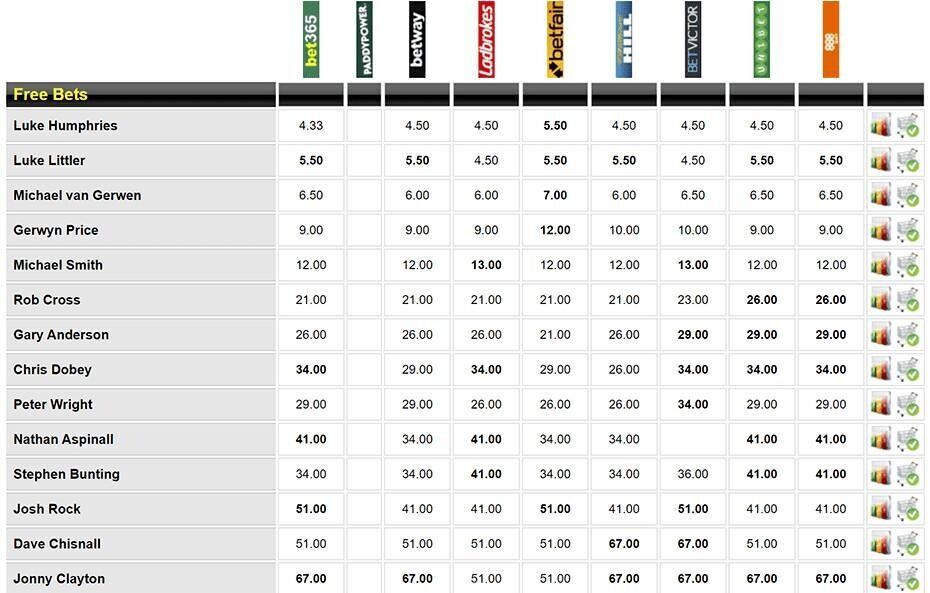
Another approach involves comparing odds across multiple bookmakers. Discrepancies between different platforms can indicate inefficiencies, as some bookmakers react more slowly to new information or adjust their margins differently. Arbitrage opportunities, where a bettor can cover all outcomes for a guaranteed profit, often arise in such situations, though they are rare and typically require quick execution. Efficient odds identification is also dependent on recognizing market sentiment. Popular teams and players often attract disproportionate bets, which can artificially depress their payout odds. Contrarian bettors exploit these situations by identifying where public bias inflates or deflates odds, allowing them to bet against market sentiment when their analysis suggests a more accurate outcome. The ability to remain objective and resist following the crowd is a key characteristic of successful value bettors.
Technological tools have revolutionized how bettors identify inefficiencies. Automated odds comparison software, predictive algorithms, and real-time statistical feeds provide bettors with the means to assess dozens of markets simultaneously. These tools can highlight outliers and deviations from expected probabilities, allowing bettors to act quickly before the market corrects itself. Additionally, incorporating machine learning models enables the detection of patterns that may not be immediately apparent to human analysis, such as subtle trends in team performance under specific conditions or correlations between seemingly unrelated variables. These models can adapt over time, improving accuracy as more data becomes available, giving the bettor a dynamic edge in spotting inefficient odds.
Discipline and record-keeping are crucial in this process. Successful bettors meticulously track their bets, outcomes, and the accuracy of their models. By reviewing past performance, they can refine their approach, identifying which inefficiencies were accurately predicted and which were misjudged. This feedback loop enhances their ability to distinguish true inefficiencies from random variance, ensuring that decisions remain data-driven rather than emotionally influenced. Over time, patterns emerge that allow experienced bettors to anticipate when bookmakers are likely to misprice odds and under what circumstances inefficiencies are most common.
In addition to statistical analysis, qualitative factors should not be overlooked. News events, injuries, lineup changes, and psychological factors such as team motivation can create opportunities that are not immediately reflected in the odds. Bettors who stay informed and integrate these elements into their assessment can often find value where others see risk. This combination of quantitative rigor and qualitative insight allows for a more nuanced approach, ensuring that bettors are not solely reliant on raw numbers but also on context and situational awareness.
It is important to note that exploiting inefficient odds requires both patience and risk management. Even when an inefficiency is correctly identified, outcomes are not guaranteed, and variance can lead to short-term losses. Successful bettors manage their bankrolls prudently, employing staking strategies that maximize long-term growth while protecting against significant drawdowns. This disciplined approach ensures that even when individual bets do not succeed, the overall strategy remains profitable. Over time, the consistent identification and exploitation of inefficiencies compound, turning small edges into sustainable gains.
Finally, networking and information sharing among experienced bettors can provide insights into market inefficiencies that might not be apparent from isolated analysis. Discussion forums, betting syndicates, and professional networks allow bettors to exchange perspectives, uncover hidden opportunities, and validate assumptions. While information alone does not guarantee success, collaborative insight can enhance a bettor’s ability to spot patterns, confirm value, and avoid common pitfalls. Ultimately, identifying inefficient odds is both an art and a science, combining rigorous analytical techniques, disciplined execution, and a deep understanding of market dynamics. Bettors who master this skill are positioned to capitalize on opportunities consistently, turning a nuanced understanding of probability and value into tangible results over the long term.


Leave a Reply