Gambling, in any form, relies fundamentally on trust. Whether it is a small local lottery, an international sportsbook, or an online casino, players engage with the understanding that the outcomes they encounter are fair, unbiased, and governed by transparent systems. When integrity is compromised, the very foundation of gambling collapses. Trust is not a superficial feature; it is the lifeblood of the industry. Without it, the relationship between operator and player becomes adversarial, and long-term viability suffers. Upholding integrity ensures that players feel confident in the fairness of the games they participate in, which in turn fosters sustained engagement and a healthy, ethical market.
The consequences of compromised integrity are multifaceted. Financially, operators risk substantial losses. Players who detect manipulation or irregularities tend to withdraw their funds, stop participation, or escalate complaints to regulatory authorities. Legal consequences can follow, with fines, sanctions, or revocation of licenses. Reputation damage, perhaps the most lasting effect, can be irreversible. In an age where information spreads rapidly through social media and independent review platforms, any breach of integrity can lead to public outrage and erode the credibility of the operator permanently. A single incident of unfair play can resonate far beyond the immediate loss, shaping perceptions for years.
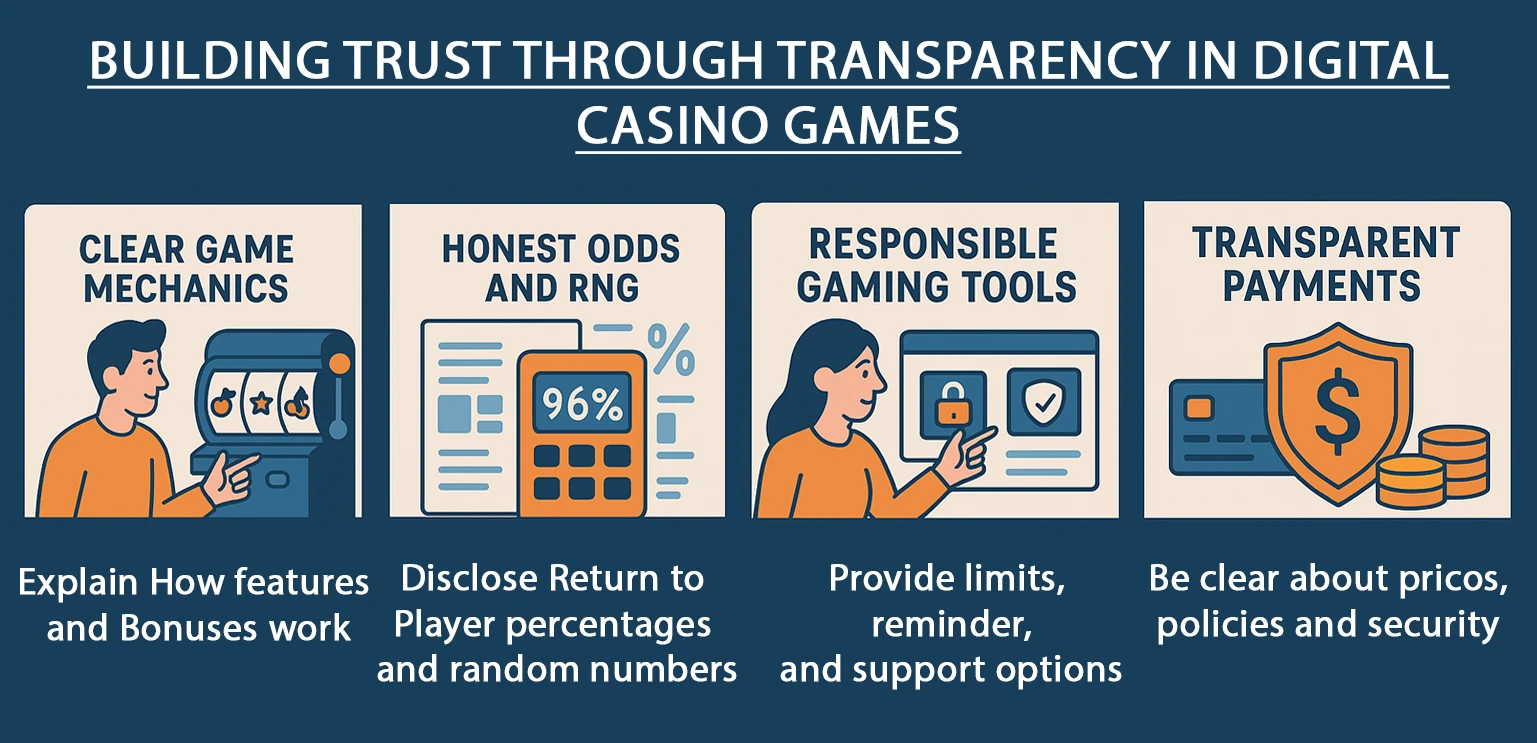
Integrity in gambling is maintained through a combination of technological, regulatory, and procedural measures. Random Number Generators (RNGs) are a cornerstone of online gambling, ensuring that every outcome is determined purely by chance, free from manipulation. Regular audits by independent agencies validate the fairness of games, providing external verification of integrity. Transparency in terms of odds, payout percentages, and game mechanics allows players to make informed decisions. Each of these measures signals to the player that the operator is committed to ethical standards, creating an environment of trust.
Licensing is another critical pillar. Reputable operators seek authorization from regulatory bodies that enforce strict compliance with fairness, security, and financial responsibility standards. These licenses are not symbolic; they are enforceable contracts that obligate operators to uphold integrity at all times. Regulatory oversight often includes routine inspections, financial reporting requirements, and player complaint management, ensuring that gambling activities remain honest and transparent. Operators who ignore these obligations risk losing their license, facing fines, or even encountering criminal investigation. The licensing system creates an external check, reassuring players that an impartial authority supervises the operator’s conduct.
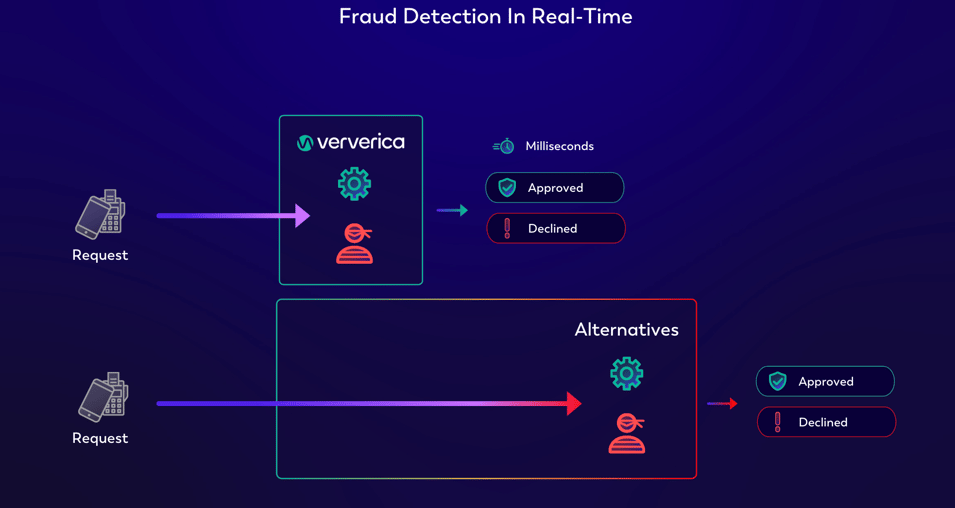
Technology plays a dual role, both in enabling gambling and in safeguarding integrity. Modern online platforms implement secure encryption protocols to protect sensitive data and prevent tampering with game results. Blockchain and decentralized systems are increasingly being explored to provide immutable records of bets and outcomes, making fraudulent manipulation nearly impossible. Sophisticated monitoring algorithms can detect irregular betting patterns, potential collusion, or other behaviors that compromise fairness. In combination, these technological tools act as both a shield and a deterrent, signaling to players that the operator actively preserves integrity.
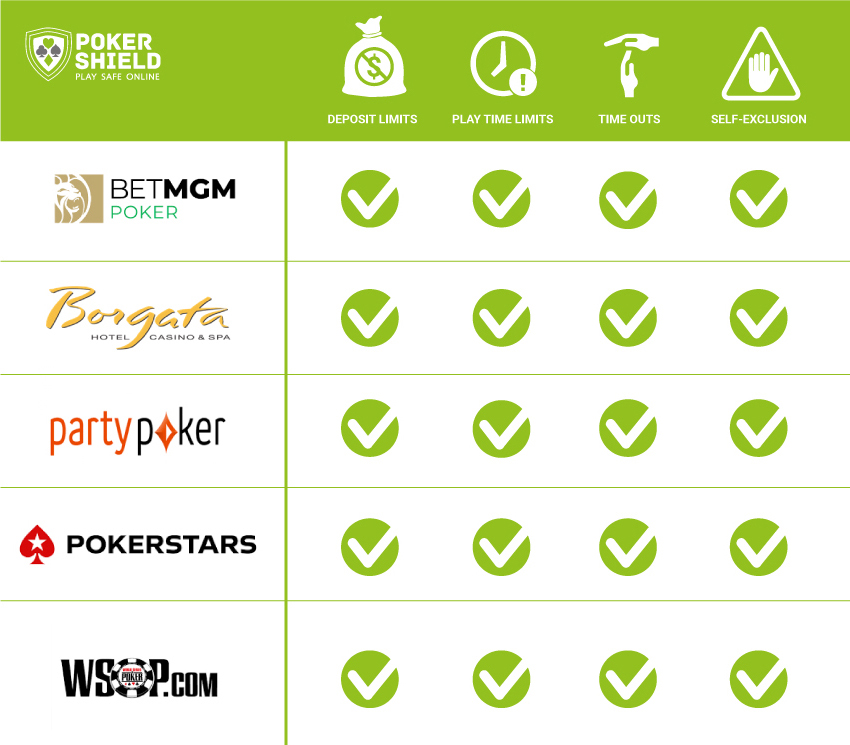
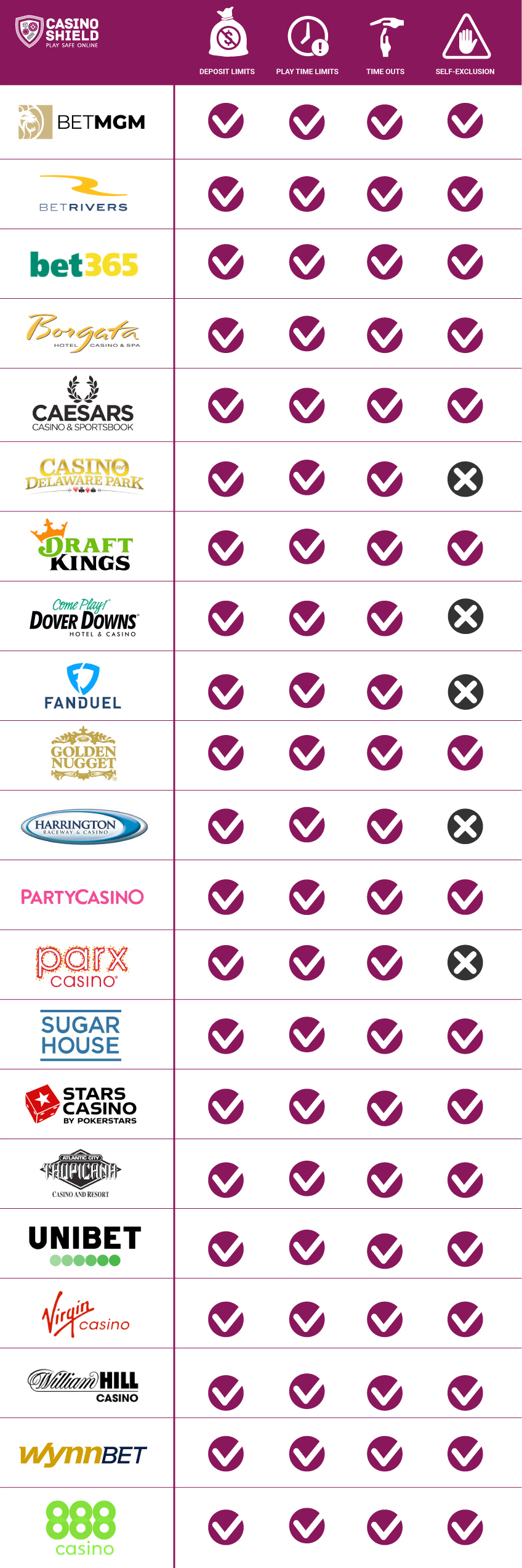
Player protection and responsible gambling practices are also intertwined with integrity. When operators prioritize fairness, they are more likely to implement measures that protect vulnerable players. Self-exclusion options, deposit limits, and responsible gaming education are often part of a broader integrity framework. These measures show that the operator values not only the financial outcomes of games but also the well-being of its participants. Integrity, therefore, extends beyond preventing cheating or manipulation; it encompasses ethical responsibility toward players’ mental and financial health.
A transparent approach to dispute resolution further reinforces integrity. Players must have accessible channels to report concerns, verify outcomes, and seek redress when necessary. Operators who actively resolve disputes fairly strengthen their credibility, while those who obscure processes or dismiss complaints undermine trust. Clear communication about rules, terms, and conditions ensures that players understand the boundaries of play and can engage confidently. This transparency reduces misunderstandings, prevents accusations of bias, and solidifies the operator’s reputation as ethical and accountable.
The cultural perception of gambling is closely tied to integrity as well. Societies are more accepting of gambling when they perceive it as fair and well-regulated. Conversely, scandals involving rigged games or unlicensed operations erode public trust and can lead to restrictive regulations, increased oversight, or even outright bans. Operators who consistently demonstrate integrity not only safeguard their own business interests but also contribute to the legitimacy of the broader industry. They foster a culture where players feel safe, regulators are cooperative, and the market thrives on confidence rather than skepticism.
Finally, integrity is indispensable for long-term profitability and sustainability. Players return to platforms where they believe the odds are fair and the outcomes unbiased. Repeat engagement drives revenue, reduces marketing costs, and establishes a loyal user base. In contrast, short-term manipulation or deceptive practices may yield immediate gains but inevitably lead to attrition, regulatory intervention, and reputational decay. Operators that embed integrity into their business model create a virtuous cycle: fairness encourages participation, which fuels growth, which in turn reinforces the ability to maintain high standards of ethical conduct.
In conclusion, gambling integrity is non-negotiable because it underpins trust, financial stability, regulatory compliance, technological security, player protection, cultural acceptance, and long-term sustainability. Every aspect of the gambling experience—from the randomness of game outcomes to the transparency of operations and the ethical treatment of players—depends on a steadfast commitment to fairness. Operators who neglect integrity risk far more than financial loss; they jeopardize their credibility, invite legal scrutiny, and damage the public perception of the entire industry. Upholding integrity is not just a legal or ethical obligation; it is the foundation upon which a thriving, responsible, and respected gambling ecosystem is built.