
Building trust in the gambling industry is a delicate balance of transparency, security, fairness, and user experience. Casino platforms have long recognized that retaining players depends not merely on enticing them with flashy bonuses or high odds, but on cultivating an environment where bettors feel confident that their money, data, and time are valued and protected. Trust is the cornerstone of any sustainable platform, and successful operators invest heavily in measures that reinforce credibility at every touchpoint.
One of the primary ways casino platforms establish trust is through robust licensing and regulatory compliance. Licensing from recognized authorities signals to players that the platform operates within a legal framework and adheres to standardized rules for fairness and accountability. Players are more inclined to engage with a casino that carries a license from reputable bodies, such as the Malta Gaming Authority, the United Kingdom Gambling Commission, or the Gibraltar Regulatory Authority. Beyond legality, regulatory oversight ensures regular audits, responsible gaming mandates, and the enforcement of fair payout ratios. The mere presence of a valid license acts as a visible trust signal, reassuring users that the platform is accountable to external authorities and not operating in a grey zone.
Security protocols are another critical pillar in trust-building. Online casinos handle sensitive personal and financial information, and breaches can irreparably damage reputations. Platforms that implement end-to-end encryption, two-factor authentication, and advanced fraud detection convey to players that their data is protected. Regular security audits and transparent communication about these measures create a perception of reliability. When users know that their financial transactions and personal information are safeguarded, they are more likely to engage frequently and recommend the platform to others.
Fairness in gameplay is equally vital. Casino operators increasingly rely on certified random number generators (RNGs) to ensure unbiased outcomes. Third-party audits from independent testing agencies, such as eCOGRA or iTech Labs, serve as objective verification that games are not manipulated in favor of the house beyond advertised odds. When these audit results are made publicly accessible or incorporated into the platform’s user interface, players can verify that the system operates fairly. Transparency about algorithms, odds, and payout percentages communicates respect for the player and reduces skepticism, which is essential for cultivating trust over time.
In addition to regulatory compliance and technical fairness, a user-centric approach significantly enhances trust. Platforms that design intuitive interfaces, provide responsive customer support, and offer clear information about rules, bonuses, and promotions foster confidence. Unclear terms and hidden conditions are often the root of distrust, while straightforward communication and accessible support channels demonstrate that the casino values transparency. Features like live chat support, dedicated help centers, and prompt response times signal a commitment to the player experience, building a rapport that goes beyond the technical assurances of fairness or licensing.
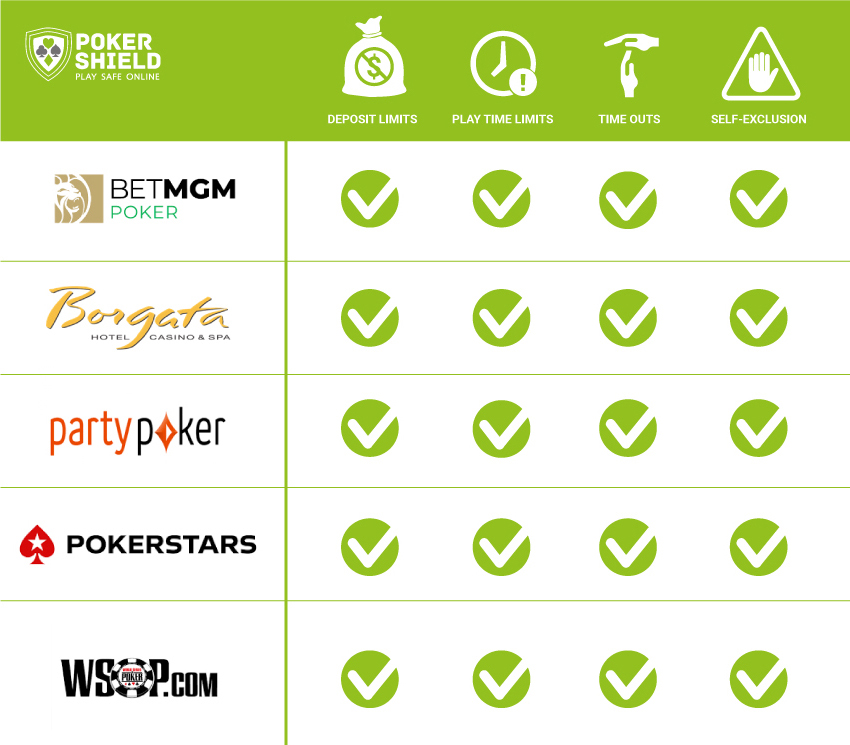
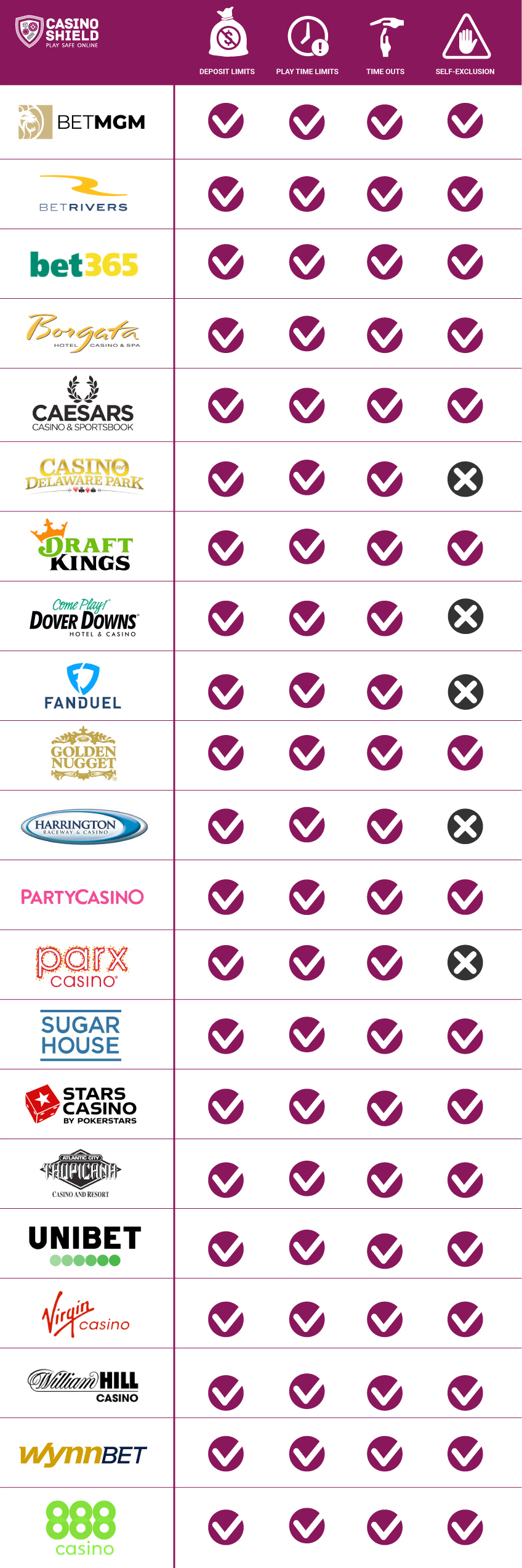
Responsible gaming initiatives also play a crucial role. By offering tools that allow players to set deposit limits, self-exclude, or monitor time spent on the platform, casinos demonstrate ethical responsibility. Platforms that actively promote these features show that they prioritize long-term well-being over short-term revenue. This not only aligns with regulatory expectations but also strengthens trust by positioning the casino as a partner in safe and sustainable gaming rather than a purely profit-driven entity. Publicly visible messages about responsible gaming, combined with educational content, reinforce a culture of transparency and care, which players recognize and value.
Reputation management further amplifies trust. Positive reviews, testimonials, and social proof from existing players influence perceptions of credibility. Platforms often highlight awards, certifications, or partnerships with well-known payment providers to signal legitimacy. Engagement on social media and responsiveness to user feedback create a narrative that the casino listens to its community and addresses concerns proactively. Consistency in delivering promised features, timely payouts, and reliable customer interactions solidifies a reputation over time, turning casual users into loyal advocates.
Innovations in technology also contribute to trust-building. Platforms that leverage blockchain technology for transparent transactions, or provide provably fair games, empower players to independently verify fairness. Similarly, mobile apps with secure, seamless interfaces and integrated verification processes enhance the perception of professionalism. When players feel in control of their experience and can independently confirm the integrity of games or transactions, trust deepens significantly.
Finally, platforms that continuously adapt and communicate proactively maintain trust even in a dynamic market. Players appreciate transparency regarding changes in rules, fees, or features. Open communication about updates, outages, or improvements prevents misunderstandings and mitigates negative sentiment. Casinos that treat users as informed participants rather than passive consumers create a culture of mutual respect, which is crucial in sustaining trust over long periods.
In conclusion, building player trust is a multifaceted endeavor that requires attention to legal compliance, technical security, fairness, user experience, responsible gaming, and communication. Casino platforms that excel in these areas signal reliability, integrity, and respect for their players. Trust is not established overnight; it is the cumulative result of consistent, transparent, and player-focused practices. By integrating these strategies, casinos not only enhance player confidence but also create an ecosystem where loyalty thrives, reputations are fortified, and long-term engagement is maximized. Trust becomes both a differentiator and a strategic asset, positioning a casino platform as a credible, preferred choice in an increasingly competitive industry.
Players gravitate toward platforms where they feel safe, respected, and empowered, and those casinos that understand and implement comprehensive trust-building measures are the ones that endure. This holistic approach demonstrates that player trust is not a passive outcome but a deliberate, ongoing commitment to ethical operation, technological excellence, and transparent interaction.


Leave a Reply