
Slot games are among the most popular forms of entertainment in the online gaming industry, attracting millions of players worldwide. Their appeal lies not only in the excitement of spinning reels but also in the combination of visual appeal, sound effects, and the chance of winning. However, beneath the flashing lights and engaging animations, the design of a slot game is meticulously calibrated to maintain balance, ensuring players have a controlled and enjoyable experience. Slot game balance is a crucial element that directly affects a player’s ability to manage their betting behavior effectively. By carefully adjusting volatility, return-to-player (RTP) rates, and game mechanics, developers can create an environment that promotes strategic engagement rather than reckless gambling.
Volatility, often referred to as variance, is one of the key factors influencing the balance of a slot game. It represents the level of risk associated with the potential payouts. High volatility slots tend to offer larger jackpots but pay out less frequently, while low volatility games provide smaller, more consistent wins. Understanding the volatility of a slot game allows players to align their bankroll management with their risk tolerance. For instance, a player with a limited budget might prefer low-volatility slots to prolong gameplay and maintain steady engagement, while those seeking high-stakes thrills may gravitate toward high-volatility options. This balance ensures that players are not forced into making impulsive decisions and can plan their bets according to their financial comfort zone.
Return-to-player (RTP) percentages are another critical aspect of slot game balance. RTP represents the theoretical long-term payout a game offers to players. A game with a 96% RTP means that, on average, a player will receive back $96 for every $100 wagered over an extended period. Developers use RTP as a tool to maintain fairness and provide transparency, helping players set realistic expectations. When players understand the RTP of a slot, they are better equipped to gauge how long their bankroll may last and can adjust their betting patterns accordingly. A balanced RTP ensures that the game remains challenging yet fair, discouraging reckless chasing of losses, which can often lead to problematic gambling behaviors.
In addition to volatility and RTP, the implementation of bonus features, free spins, and progressive jackpots also contributes to slot game balance. Bonus features must be designed in a way that enhances engagement without creating unmanageable swings in a player’s bankroll. For example, free spins with multipliers can offer substantial rewards but are usually triggered infrequently to avoid destabilizing the overall game economy. Progressive jackpots, which grow over time, introduce long-term excitement and potential big wins while still allowing players to exercise control over their base game bets. These carefully calibrated features ensure that players experience moments of thrill without feeling compelled to overextend their wagers.
Effective slot game balance also involves intuitive betting options. Many modern slots offer flexible betting ranges, allowing players to select stakes that correspond with their individual risk tolerance. Adjustable paylines, bet multipliers, and varying coin denominations provide further layers of control, empowering players to make strategic decisions rather than impulsive ones. By providing these choices, game designers enable players to participate in a way that aligns with their personal financial limits, fostering responsible gambling habits and reducing the likelihood of frustration or loss-induced stress.
Another factor that reinforces player control is the pace of gameplay. The speed at which reels spin, animations unfold, and wins are calculated can subtly influence betting behavior. Games that move too quickly may encourage rapid, uncontrolled betting, whereas those with measured pacing allow players to reflect on their decisions. Some developers include options to adjust game speed or incorporate auto-play features with set limits, giving players more autonomy over how the game progresses. This attention to temporal balance contributes to a safer, more controlled gaming environment where players can enjoy the entertainment value without feeling pressured to escalate their bets unnecessarily.
Slot game balance is also achieved through careful random number generator (RNG) design. RNGs ensure that every spin is independent and unpredictable, maintaining fairness while preventing patterns that could encourage risky betting. When players trust that each outcome is genuinely random, they are more likely to engage responsibly, recognizing that no strategy can guarantee a win. This sense of fairness and predictability fosters confidence, allowing players to plan their bankroll and maintain consistent betting habits without succumbing to superstitions or chasing perceived streaks.
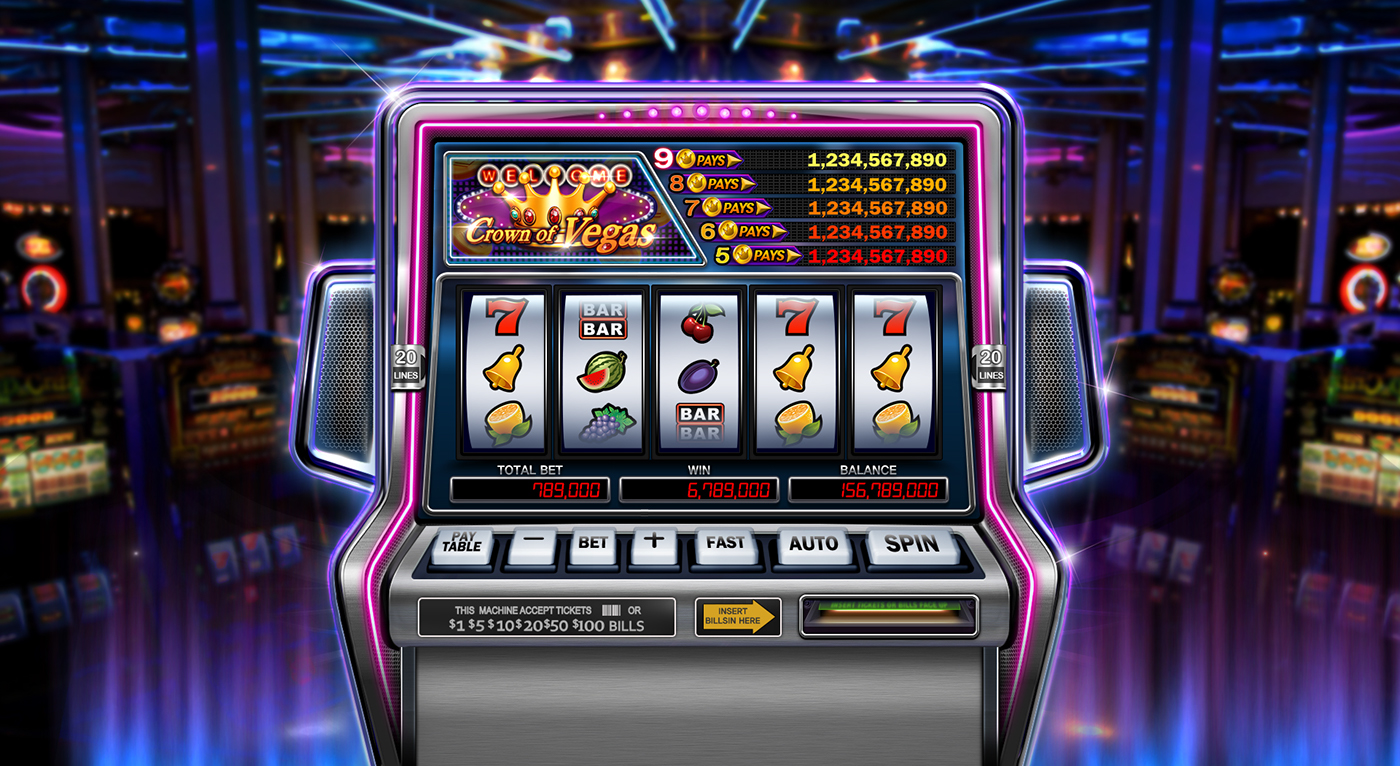
Finally, visual and auditory design can support controlled betting. Clear indicators of wins, losses, and remaining balance help players monitor their activity in real-time. Sound effects and visual cues can signal significant events without overwhelming the player, reinforcing awareness rather than impulsivity. By combining these sensory cues with balanced game mechanics, developers create an environment where players feel informed and empowered to make deliberate betting decisions.
In conclusion, slot game balance is a multidimensional concept encompassing volatility, RTP, bonus features, betting flexibility, game pace, RNG fairness, and sensory feedback. Each of these elements works in concert to provide players with a framework that encourages responsible betting behavior and helps maintain control over their gameplay. By designing slots that balance excitement with fairness, developers not only enhance the entertainment value of their games but also promote sustainable engagement, reducing the risk of impulsive decisions and supporting a positive gaming experience. Well-balanced slots empower players to enjoy the thrill of gaming while exercising prudent bankroll management, ultimately creating a safer and more enjoyable environment for everyone.






Leave a Reply