
Handicap markets have long been a fascinating and intricate part of the betting landscape, offering a structure that rewards careful analysis, patience, and disciplined strategy. Unlike conventional markets where bettors may simply wager on an outright winner, handicap markets introduce a layer of complexity that demands a more measured approach. At its core, a handicap system aims to level the playing field, giving an advantage or disadvantage to teams based on perceived strength, creating a market that is theoretically more balanced and less prone to volatile swings. This structure inherently favors disciplined bettors who approach each wager with a systematic methodology rather than relying on gut feelings or impulsive decisions.
Discipline in handicap betting manifests in several ways. First, it requires thorough research. Bettors must evaluate not only the performance of teams or athletes but also contextual factors such as current form, injuries, historical matchups, and even psychological pressures. Unlike straight betting, where a casual observer might make a decision based solely on reputation or popularity, handicap markets necessitate that every piece of data be considered and weighted appropriately. A disciplined bettor recognizes that overestimating or underestimating a team’s ability relative to the imposed handicap can significantly impact outcomes. This careful analysis creates a natural advantage over those who bet emotionally or haphazardly.
Another aspect where discipline proves critical is bankroll management. Handicap betting, due to its nuanced nature, often involves closer odds and smaller margins for error. A disciplined bettor understands the importance of staking strategies, adjusting wager sizes in proportion to perceived value and risk, and maintaining consistency over time. Impulsive betting, or chasing losses after a miscalculated handicap, can quickly erode potential gains. By contrast, bettors who exercise restraint, adhere to predetermined limits, and avoid the temptation to over-leverage are better positioned to exploit the market’s inherent structure. The handicap system rewards patience, because over many wagers, the disciplined approach tends to produce steadier returns even if individual bets occasionally fail.
In addition to research and bankroll discipline, emotional control plays a pivotal role. Handicap markets challenge bettors to remain objective in the face of outcomes that may not immediately reflect their analysis. A favored team might underperform relative to its handicap, or an underdog may exceed expectations. Impulsive reactions to these events—such as overcompensating in subsequent bets—can disrupt a carefully crafted strategy. Conversely, disciplined bettors maintain a long-term perspective, understanding that variance is a natural part of handicap betting. By resisting emotional impulses, they capitalize on the consistent application of analysis, which is ultimately what the market rewards.
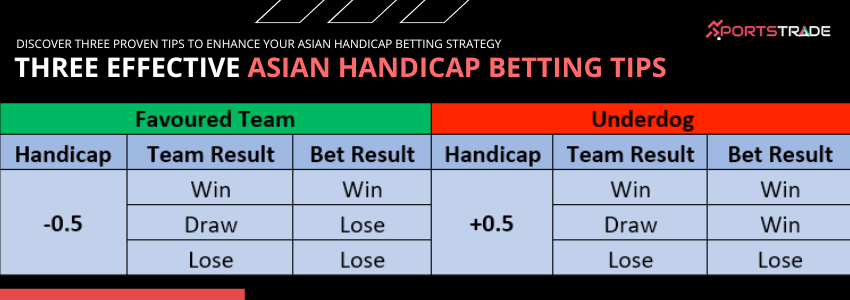
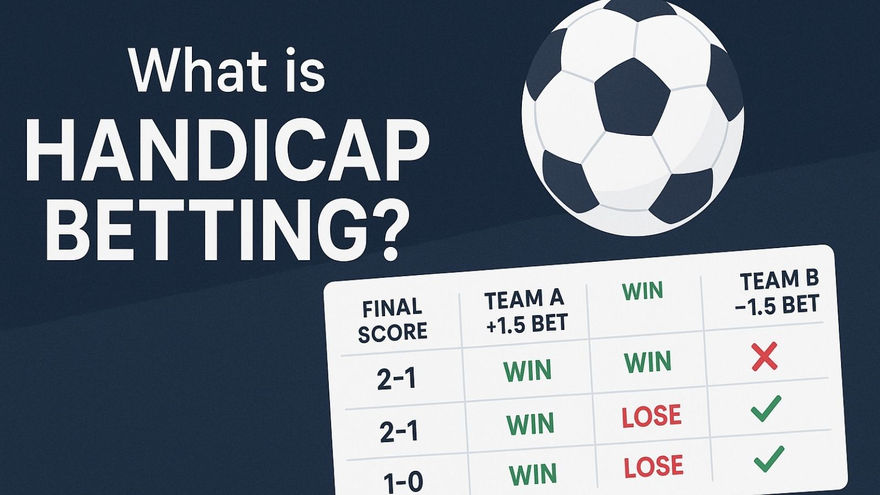
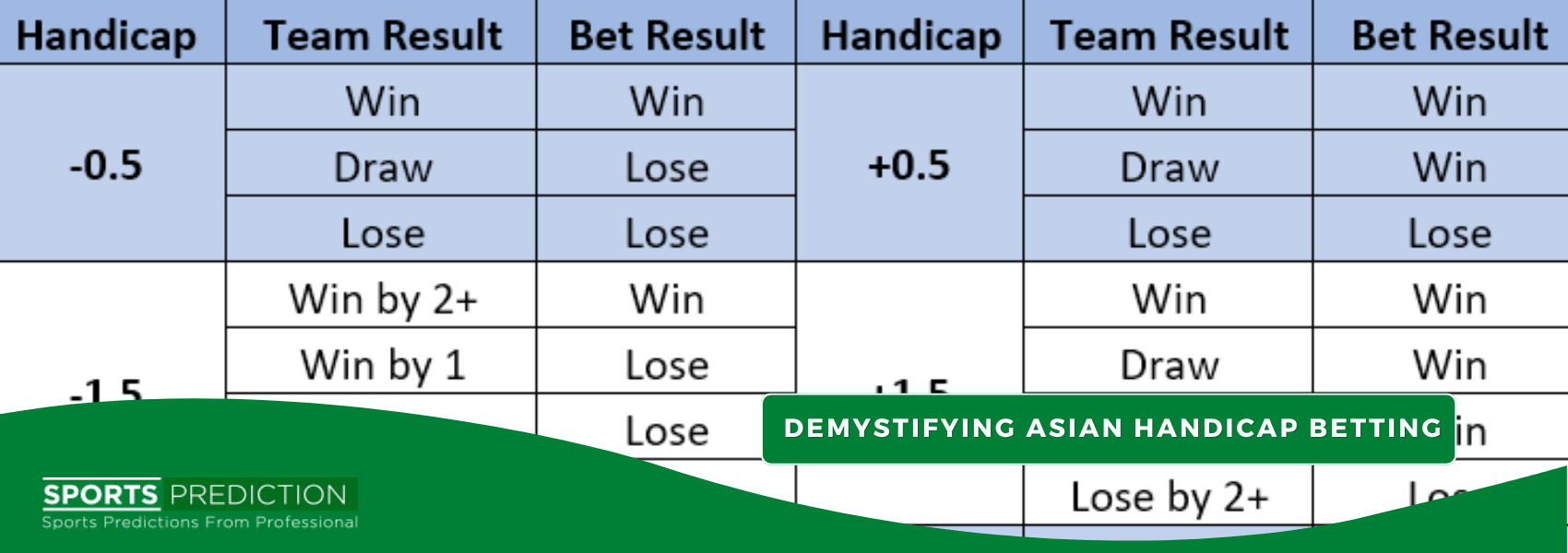
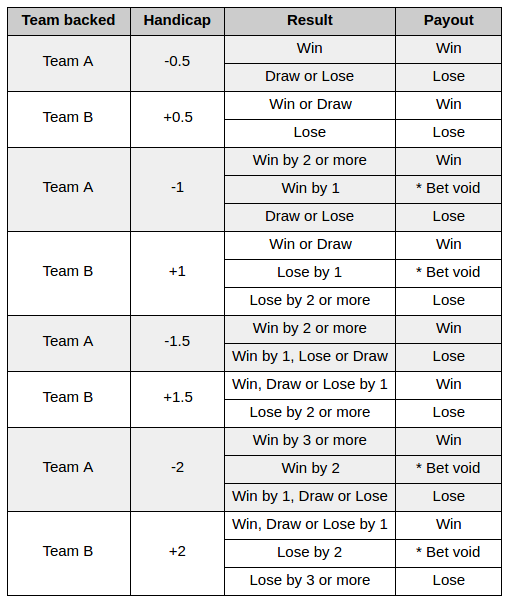
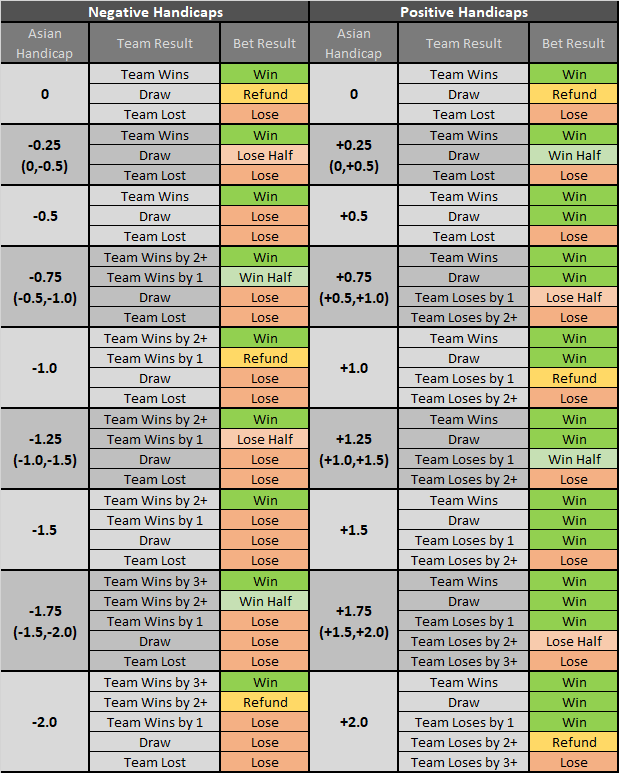
The complexity of handicap lines also incentivizes strategic thinking. Unlike simple win-loss markets, handicap betting often involves fractional or half-goal spreads that require precise calculations. Bettors must understand how these increments impact potential returns and risk exposure. For example, a +1.5 handicap versus a +1 handicap can significantly alter both probability and payout. Disciplined bettors take the time to model these outcomes, sometimes incorporating advanced statistical techniques or historical simulations. This level of preparation allows them to identify situations where the market may misprice a handicap, offering opportunities that less meticulous participants might overlook.
Furthermore, handicap markets cultivate an environment where discipline is tangibly linked to measurable outcomes. By leveling competition, the market reduces the likelihood of straightforward wins based solely on superficial impressions. Bettors cannot rely on favoritism, hype, or selective bias; instead, success comes from consistent, rational decision-making. Over time, disciplined bettors develop a feedback loop: careful analysis leads to successful wagers, which reinforces the value of structured research, measured risk-taking, and emotional restraint. This self-reinforcing mechanism highlights why handicap markets inherently favor those who maintain focus, patience, and methodical approaches.
Discipline also encourages continuous learning and adaptation. Handicap markets are dynamic; team strengths evolve, strategies shift, and external variables like weather, travel schedules, or player availability change frequently. Bettors who are disciplined treat each wager as a data point, continuously refining models and adjusting tactics based on emerging trends. This iterative process builds an edge that is difficult to achieve through casual observation alone. In essence, the market rewards those willing to invest time and mental energy into understanding the subtle forces that influence outcomes rather than relying on luck or intuition.
The reward for discipline in handicap markets is not merely financial but also psychological. Bettors who approach the market systematically experience less stress, make fewer reactive errors, and cultivate a sense of mastery over a challenging and often unpredictable environment. Over time, this disciplined mindset can translate into better decision-making across other betting formats, reinforcing the principle that success is grounded in careful planning and adherence to strategy rather than impulsive behavior.
Moreover, the transparency and structure of handicap markets create an environment where disciplined bettors can objectively measure their performance. Unlike opaque markets that may obscure value or introduce hidden biases, handicaps provide a clear framework for evaluation. By tracking results relative to the imposed spreads, bettors can assess the effectiveness of their approach, identify areas for improvement, and refine their strategies systematically. This feedback loop inherently favors those with patience, consistency, and analytical rigor—qualities synonymous with disciplined behavior.
In conclusion, handicap markets reward discipline because they combine complexity, precision, and structure in a way that magnifies the impact of careful planning and strategic execution. Bettors who invest in research, manage their bankroll intelligently, maintain emotional control, think strategically, and continuously adapt to evolving conditions consistently outperform those who approach the market casually or impulsively. The very design of handicap markets—where perceived advantages are adjusted to create equilibrium—ensures that only those willing to exercise patience, analysis, and consistency are positioned to benefit. In such an environment, discipline is not just a desirable trait; it is the defining factor that separates long-term success from fleeting luck.


Leave a Reply