
Handicap betting has become an essential tool for sports bettors looking to balance risk and find value in matches that might otherwise seem predictable. At its core, the purpose of handicap odds is to level the playing field between teams of varying strengths, creating a more even and engaging betting market. Unlike traditional win-draw-win betting, where the stronger team is often heavily favored, handicap betting assigns a virtual advantage or disadvantage to each side. This adjustment allows bettors to focus not just on which team will win, but how they will perform relative to the imposed handicap, reflecting a more nuanced view of match balance.
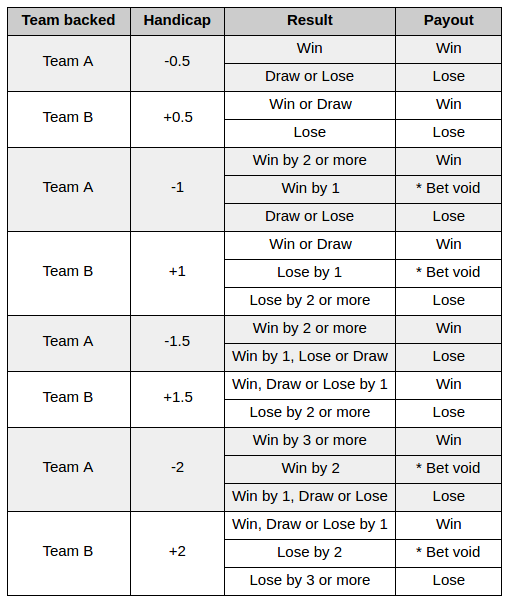
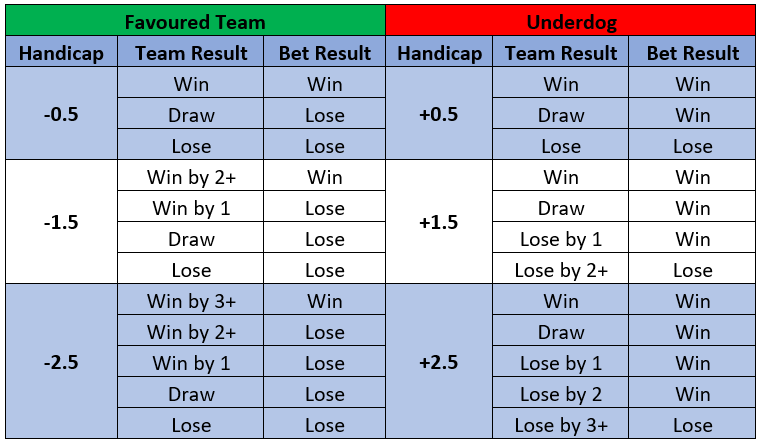
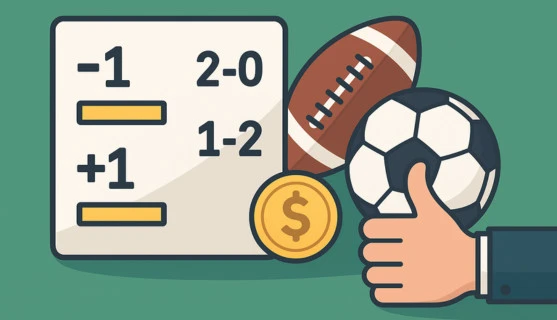
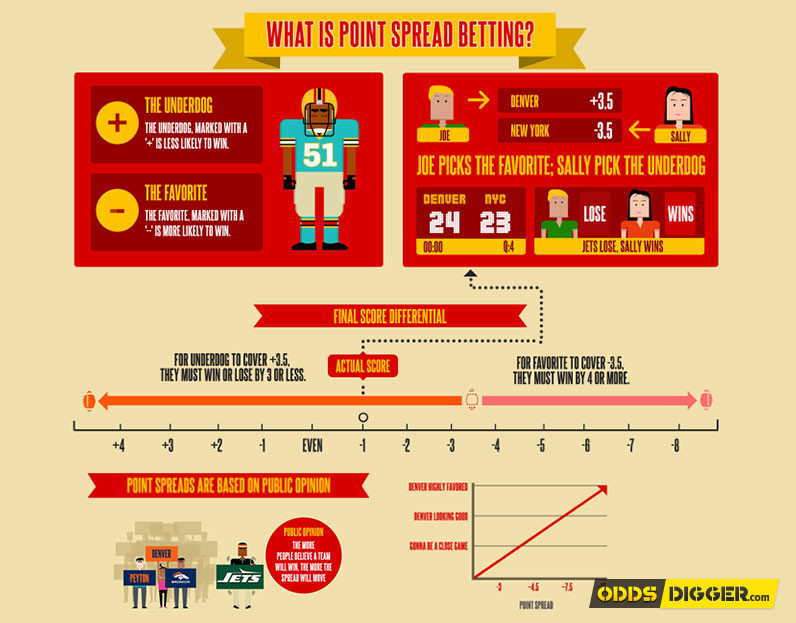
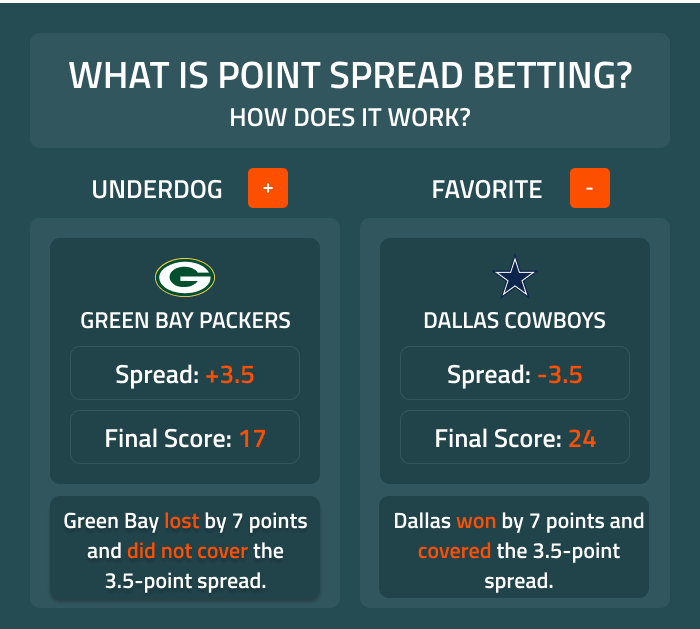
The concept of handicaps is rooted in the idea of equalizing opportunities. For instance, if a top-tier football team faces a lower-ranked opponent, traditional betting would offer very low odds for the favorite and disproportionately high odds for the underdog. This imbalance can deter betting on the favorite, as the payout is minimal. By introducing a handicap—say, giving the weaker team a +1 goal advantage—the bookmaker creates a scenario where both outcomes become more competitive. The favorite must overcome this deficit to “cover the spread,” while the underdog benefits from the buffer, producing odds that are more reflective of a balanced contest.
Handicap odds do more than just equalize perceived strength; they provide insight into the likely dynamics of a match. Bookmakers rely on a variety of factors, including recent form, head-to-head records, home advantage, injuries, and tactical approaches. These factors influence the handicap assigned, meaning that the odds themselves carry embedded predictions about how the match might unfold. A heavily skewed handicap may indicate that one team is expected to dominate, whereas a narrow spread suggests a closely contested encounter. Bettors who understand these subtleties can interpret odds not only as betting opportunities but also as a reflection of competitive equilibrium.
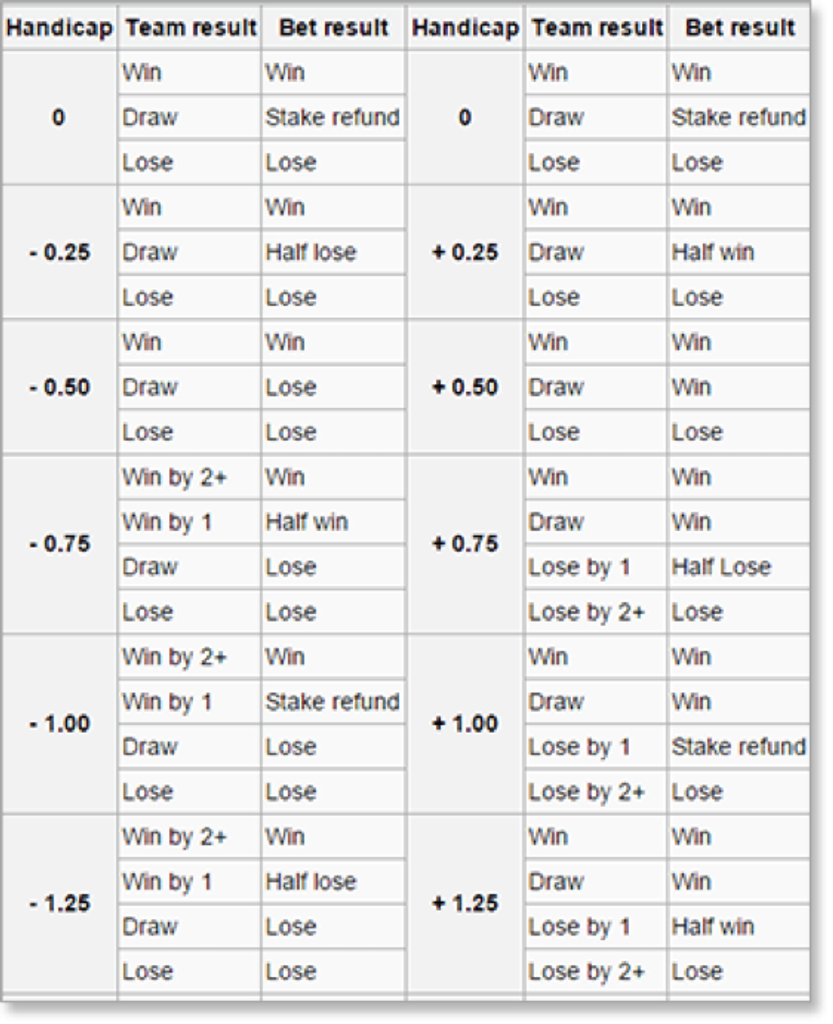
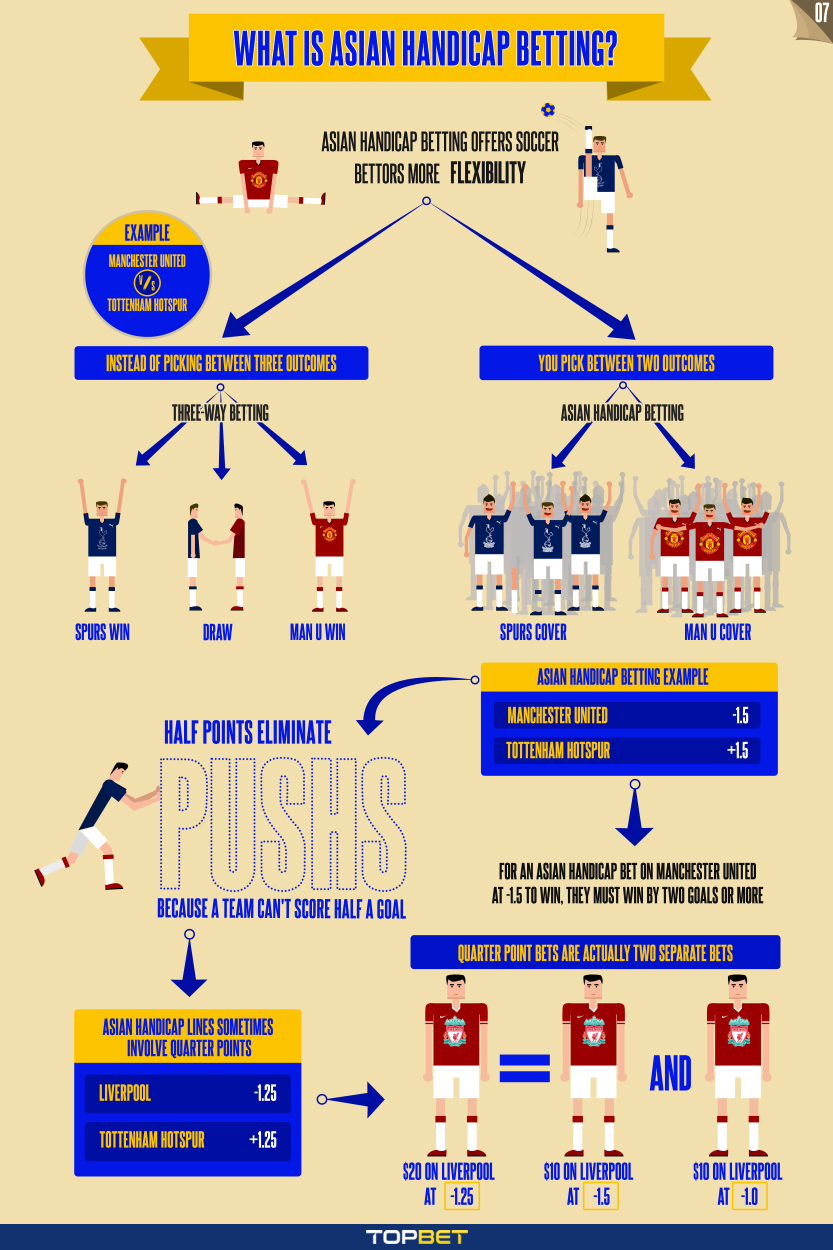
Different types of handicaps exist to accommodate various betting preferences. The most common is the single-goal or whole-number handicap, which straightforwardly adds or subtracts goals from a team’s final score. Another variant is the Asian handicap, which eliminates the possibility of a draw by introducing half or quarter-goal increments. Asian handicaps, in particular, are praised for their precision in mirroring match balance. They allow bookmakers to fine-tune the handicap to fractions of a goal, which can make odds more sensitive to slight disparities in team strength. For instance, a -0.25 handicap on a favorite indicates a minor expected edge, whereas a -1.5 handicap signals a more significant expected dominance.
From a bettor’s perspective, handicap odds offer strategic opportunities to exploit perceived misalignments between the bookmaker’s assessment and personal analysis. Since the odds reflect a predicted balance, bettors can leverage their own knowledge of a team’s form, playing style, or psychological factors to make informed decisions. For example, a favorite might have struggled against defensive teams in recent matches; if the handicap does not account for this trend, a bettor may find value in wagering on the underdog to cover the spread. Understanding how handicap odds are calculated and what they imply about match dynamics is therefore critical for developing a disciplined betting strategy.
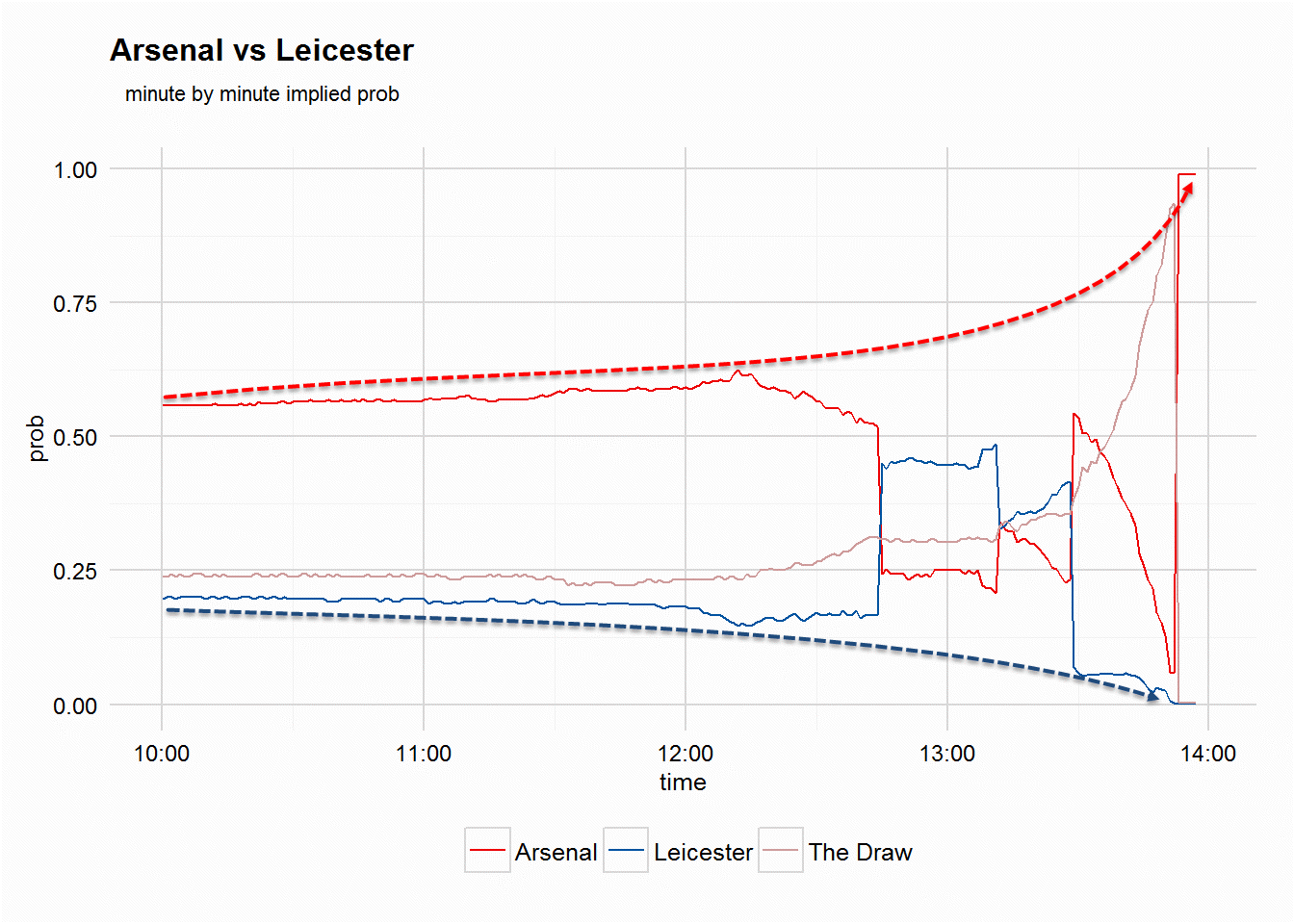
Handicap odds also serve as a measure of market efficiency. When odds are released, they invite betting activity, which in turn influences the final lines. Significant betting on one side can lead bookmakers to adjust the handicap to maintain balance and minimize risk. This feedback loop reflects a dynamic equilibrium, where the odds continuously recalibrate to match both anticipated performance and bettor behavior. Skilled bettors can read these adjustments as signals of underlying sentiment or changing circumstances, such as injuries, weather conditions, or tactical shifts, which might not be immediately apparent from match previews alone.
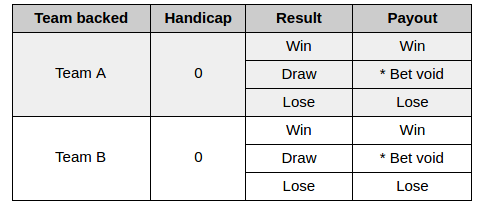
Another crucial aspect of handicap odds is their ability to manage variance. Sports betting inherently involves unpredictability, and outcomes often deviate from expectations. By incorporating a handicap, bookmakers create a buffer that aligns potential payouts with relative probabilities. For instance, if a favorite team is assigned a -1 handicap and wins by exactly one goal, the bet is typically considered a push, returning the stake rather than generating a loss. This mechanism reduces extreme outcomes, allowing both bookmakers and bettors to engage with the market in a way that emphasizes skill and analysis over chance.
Handicap betting can also enhance fan engagement. For casual spectators, a one-sided match may feel predetermined and less exciting. Introducing a handicap shifts attention to performance relative to the spread, making games more suspenseful and meaningful from a betting perspective. Fans start to track not just the winner, but the margin of victory, player contributions, and tactical execution, effectively enriching the overall viewing experience. This dual layer of analysis—both competitive and probabilistic—creates a deeper appreciation for the sport while connecting it to strategic betting.
In the broader context of sports analytics, handicap odds serve as a quantitative reflection of expected balance. They distill complex information about team quality, form, and context into a single, interpretable figure that communicates the likelihood of various outcomes. Analysts and bettors alike can study changes in handicap lines to uncover insights about team dynamics, public perception, and market psychology. The odds become a bridge between subjective assessments and objective data, translating on-field expectations into actionable probabilities.
Ultimately, handicap odds are a sophisticated tool that mirrors the equilibrium of a match while facilitating fair and engaging betting. They balance risk and reward, guide strategic decision-making, and offer insights into both team performance and market sentiment. By reflecting match balance through careful calibration of virtual advantages and disadvantages, handicap betting ensures that both favorites and underdogs are given meaningful roles in the contest. This system not only supports disciplined betting but also enriches the overall sports experience, highlighting the subtle interplay between prediction, probability, and performance that defines competitive sport.



Leave a Reply