
Transparency in the online gaming and gambling industry has become more than a marketing advantage—it is a cornerstone for ensuring player safety and fostering trust between platforms and users. At its core, transparency means openly communicating processes, rules, and mechanisms that govern player interactions and outcomes. When players have clear, reliable information about how a platform operates, they are better equipped to make informed decisions, which reduces the risk of misunderstandings, exploitation, or harm. The benefits of transparency are multifaceted, influencing both regulatory compliance and the day-to-day experiences of players.
A critical aspect of transparency in player protection is the clear explanation of game mechanics and odds. Many players enter online gambling environments with limited understanding of how outcomes are determined. Transparent platforms provide detailed information about odds, payout percentages, and game rules. For instance, when a player knows the probability of winning a slot machine round or the house edge in a blackjack game, they can set realistic expectations and manage their risk accordingly. This level of clarity is particularly important because it mitigates the risk of problem gambling behaviors by reducing the perception that wins and losses are arbitrary or manipulated. Platforms that withhold such information inadvertently create an environment where misinformation or misperception can thrive, increasing the likelihood of financial or emotional harm to players.
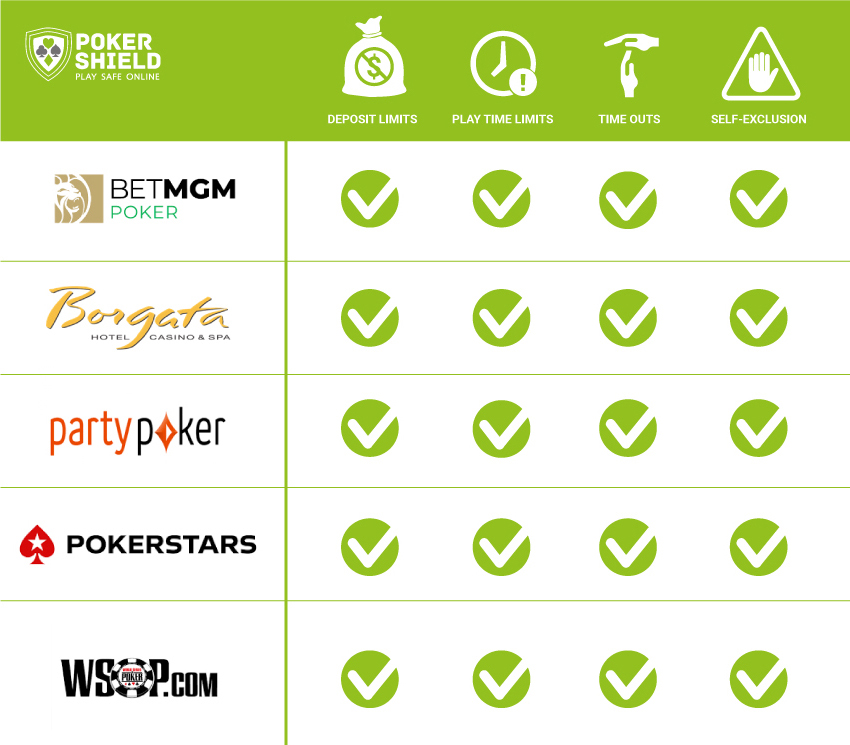
Another vital dimension of transparency is the disclosure of responsible gambling tools. Platforms that openly highlight features such as deposit limits, self-exclusion options, and reality checks empower players to maintain control over their gaming habits. By making these tools visible and easy to access, platforms demonstrate a commitment to player welfare rather than simply revenue generation. Players who are aware of these safeguards are more likely to use them, which prevents situations where gambling escalates into addiction or severe financial distress. Transparency ensures that protective measures are not hidden behind opaque menus or buried in terms and conditions, which can often be the case on less scrupulous platforms.
Fairness in outcomes is closely tied to transparency as well. Many online gaming sites utilize Random Number Generators (RNGs) to determine the results of games. Transparency in this context involves independent audits and the publication of audit results, verifying that RNGs operate as advertised. Players gain confidence knowing that the platform is not skewing results unfairly, which in turn reduces disputes and enhances overall trust. Without transparency in these mechanisms, players may feel vulnerable to manipulation or cheating, which can erode both trust and engagement. The presence of third-party certifications and regular reporting can act as a powerful reassurance that the platform is committed to fairness and integrity.
Beyond technical fairness, transparency also plays a role in financial security. Players need assurance that their deposits, withdrawals, and winnings are handled securely and promptly. Platforms that clearly communicate processing times, fees, and verification procedures prevent confusion and potential frustration. Transparent financial policies protect players from hidden charges, delayed payouts, or suspicious account restrictions. Moreover, clear communication about data protection and privacy policies is essential for maintaining player confidence. In an era where cyber threats are prevalent, players need to know that their personal and financial information is being safeguarded, and transparency about security protocols helps reinforce this trust.
Regulatory compliance is another area where transparency significantly enhances player protection. Licensed platforms are typically required to maintain and disclose certain operational standards, including reporting on responsible gambling initiatives, fair play audits, and financial solvency. By publicly demonstrating adherence to these standards, platforms not only satisfy regulatory requirements but also communicate their commitment to ethical operations. Players are more likely to engage with platforms that are accountable to oversight authorities and that openly share compliance information, which serves as a safeguard against unlicensed or unreliable operators.
Transparency also affects the social and behavioral aspects of gambling. When platforms openly share data, such as average session durations, common betting patterns, or statistical insights into game volatility, players can better assess the risks involved. Knowledge about the typical experience on a platform allows players to make more conscious choices about their engagement level. Additionally, transparent communication regarding potential risks associated with gambling encourages a culture of informed participation, reducing impulsive or compulsive behaviors. The education element embedded in transparency empowers players to recognize warning signs and make healthier decisions about their gaming habits.
Communication channels that support transparency further reinforce player protection. Platforms that maintain responsive customer support, publish FAQs, and provide clear dispute resolution procedures ensure that players are not left in the dark when issues arise. A transparent platform does not merely state its rules and safeguards—it also demonstrates accountability through follow-through, ensuring that players feel heard and supported. The combination of clear policies and accessible assistance helps prevent conflicts from escalating and minimizes the risk of exploitation or fraud.
In summary, transparency in online gambling is not simply about disclosing information—it is about creating an environment where players feel informed, empowered, and protected. By clarifying game mechanics, providing visible responsible gambling tools, ensuring fairness through audits, maintaining financial security, complying with regulations, and fostering open communication, platforms establish a foundation of trust that benefits both players and operators. Transparent practices directly reduce the risk of harm, enhance player confidence, and promote long-term engagement by creating a predictable and accountable gaming experience. In an industry often criticized for opaque practices, transparency stands out as the most effective measure for safeguarding players and ensuring that their participation is both enjoyable and secure.



Leave a Reply