
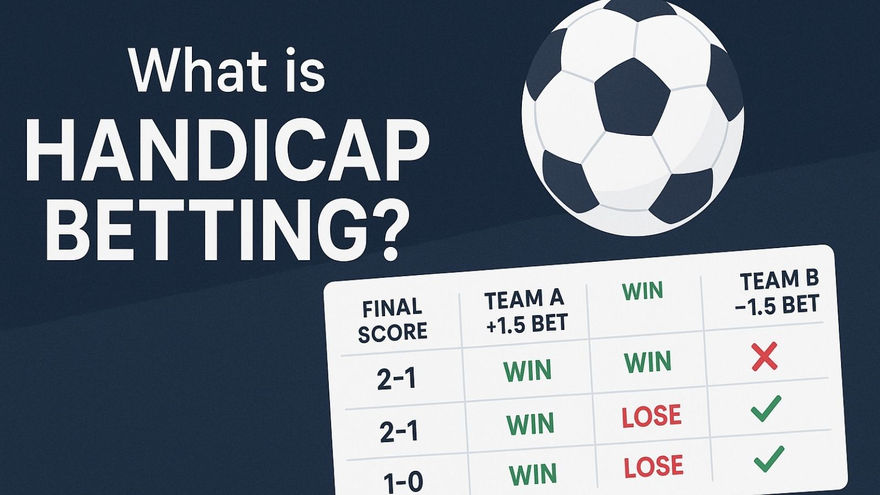
Handicap betting has steadily gained prominence in the world of sports wagering, appealing to both casual bettors and seasoned professionals alike. Its growth can be attributed to the way it balances competition and provides a structured way for bettors to engage with games that might otherwise appear one-sided. By adjusting the perceived strengths of competing teams or athletes through a handicap, bookmakers create opportunities for more equitable wagering, allowing games that might be predictable on the surface to become intriguing challenges that test skill and strategy.
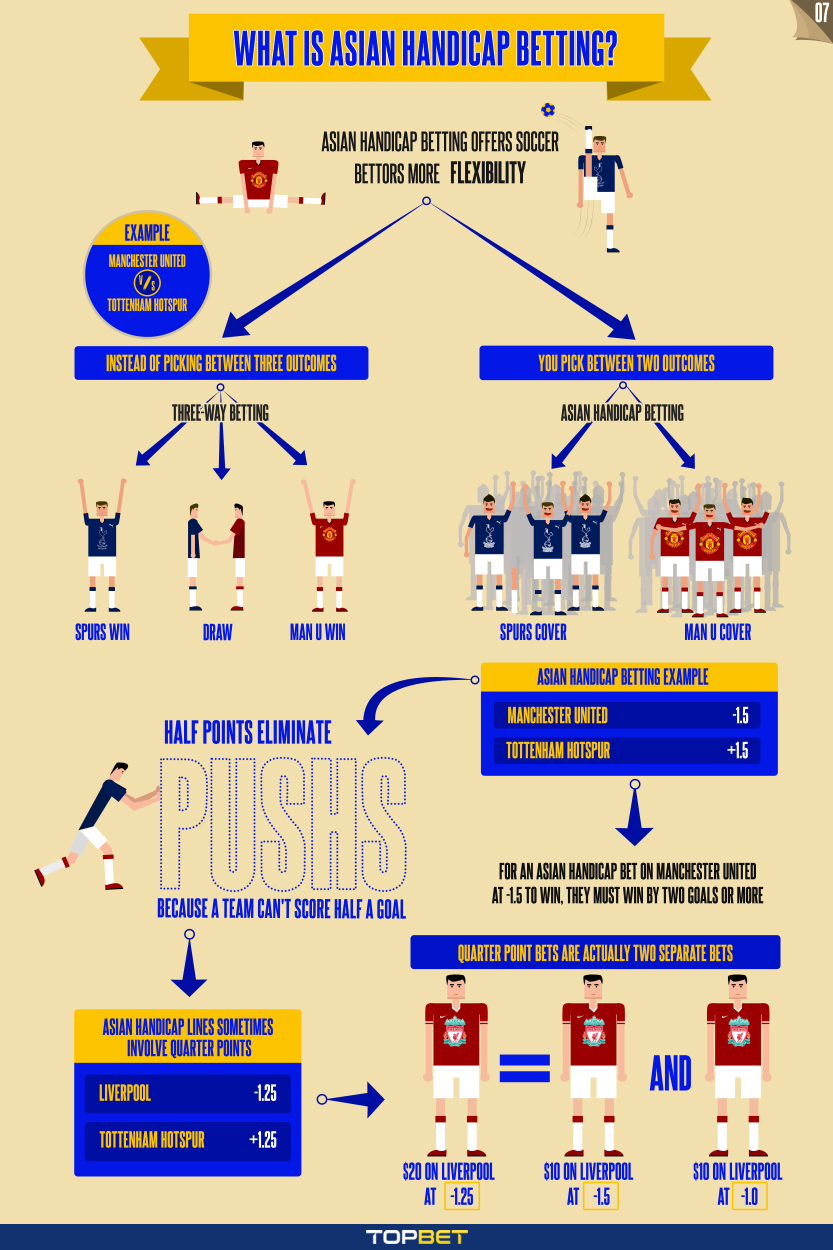
One of the primary drivers behind the growth of handicap betting is its ability to transform lopsided matches into competitive betting options. In traditional moneyline betting, a strong favorite might attract little interest because the payout is often minimal compared to the risk. Conversely, betting on the underdog can feel like a gamble with low probability. Handicap betting addresses this by giving the favorite a virtual disadvantage or the underdog a virtual advantage, effectively leveling the playing field. This encourages more bettors to participate, as the outcome feels less predetermined and more contingent on nuanced game analysis rather than sheer team reputation.
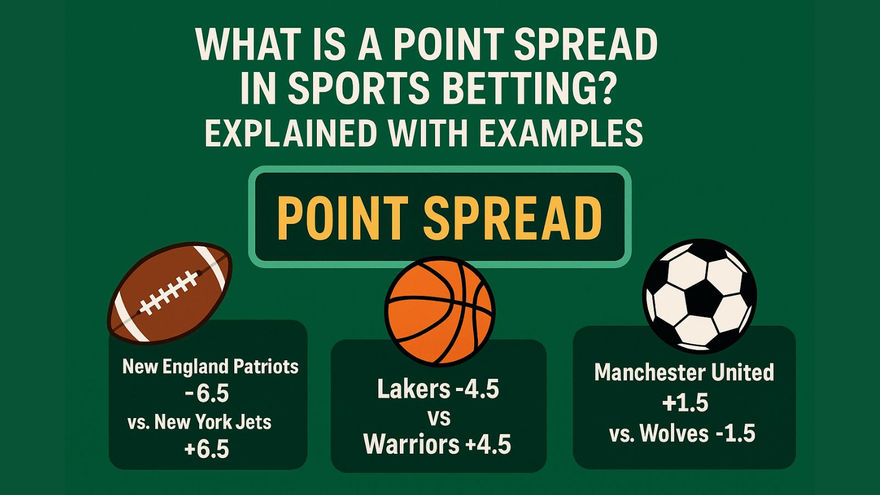
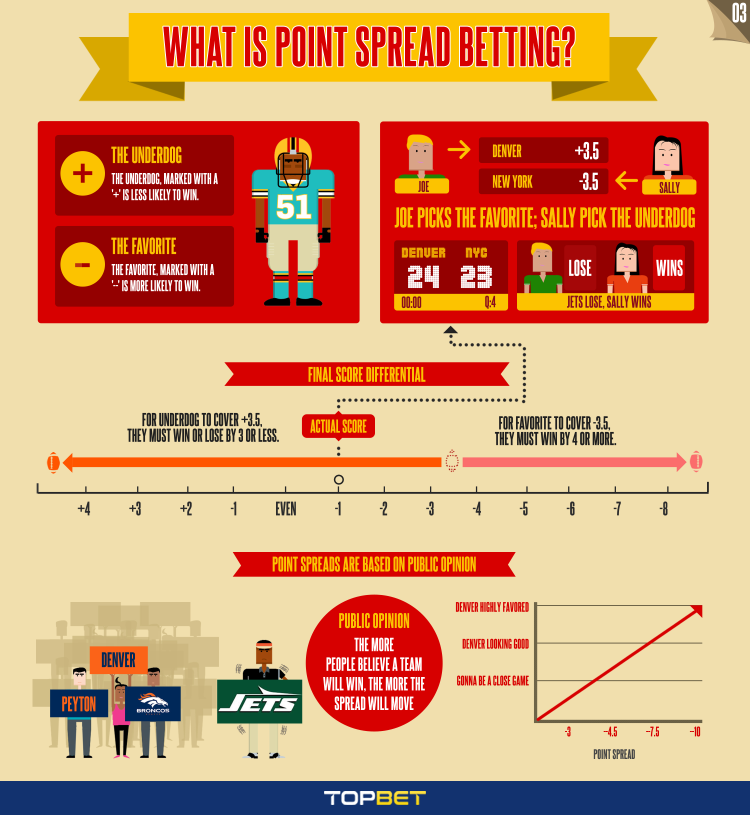
The appeal of handicap betting also lies in the depth of strategy it allows. Unlike simple bets on who will win or lose, handicap wagers require bettors to consider margins, point spreads, and performance metrics. This complexity attracts a segment of the betting community that enjoys analysis and statistical modeling, fostering a more intellectually engaging experience. Bettors often delve into historical data, player form, head-to-head matchups, and situational factors such as injuries or weather conditions to predict whether a team can overcome a given handicap. This analytical dimension enhances the overall experience, turning betting into a blend of strategy, foresight, and risk management.
Another factor fueling its growth is the global expansion of sports broadcasting and online betting platforms. With access to live statistics, real-time updates, and streaming services, bettors can follow events more closely and make informed decisions on handicap wagers. Platforms now offer in-play betting, where handicaps can be adjusted dynamically based on the flow of the game. This real-time interaction increases engagement and encourages frequent participation, making handicap betting a versatile and flexible option for those seeking more control over their wagers.
Handicap betting also provides bookmakers with a way to manage risk effectively. By adjusting handicaps, they can balance the distribution of bets between favorites and underdogs, ensuring that exposure on a particular outcome does not become excessive. This risk management capability allows sportsbooks to offer more competitive odds and maintain market stability, which in turn attracts bettors who are drawn to fair and predictable pricing. A well-structured handicap market signals professionalism and reliability, encouraging repeat business and long-term growth.
Cultural and regional factors have also contributed to the rising popularity of handicap betting. In regions where football, basketball, or other team sports dominate, handicap betting offers a familiar and intuitive way to engage with matches. Fans are already accustomed to discussing point spreads, goal differences, or margins of victory in casual conversations, making the transition to formal handicap wagers seamless. This familiarity fosters a sense of confidence among bettors, reducing the intimidation factor often associated with complex betting markets.
Moreover, the educational aspect of handicap betting has evolved alongside its popularity. Many platforms now provide tutorials, strategy guides, and simulation tools that help bettors understand the nuances of handicaps. New participants can gradually build their knowledge, starting with simple handicaps and advancing to more complex variations as they gain experience. This gradual learning curve reduces entry barriers, expands the customer base, and contributes to sustained growth over time. Bettors feel empowered to make informed decisions, reinforcing trust in both the betting process and the platforms that facilitate it.
Psychological factors also play a role in the appeal of handicap betting. The concept of a “level playing field” taps into a natural preference for fairness and challenge. Bettors are more likely to engage with a match where the outcome is uncertain yet quantifiable, as opposed to a scenario where the result seems almost guaranteed. This sense of suspense, combined with the potential for higher payouts, creates an emotionally satisfying experience. Handicaps introduce both tension and reward, stimulating engagement and encouraging repeat wagers.
Technological innovations have further amplified the accessibility and attractiveness of handicap betting. Mobile apps, live data analytics, and user-friendly interfaces allow bettors to place complex wagers quickly and efficiently. Notifications about odds changes, live scores, and key events enable bettors to react in real time, enhancing strategic decision-making. This integration of technology and betting experience has broadened the demographic reach, making handicap betting appealing not only to traditional bettors but also to a younger, tech-savvy audience seeking interactive entertainment.
Finally, the continued growth of handicap betting reflects a broader trend toward personalized and skill-based wagering. Modern bettors are less content with passive experiences and seek opportunities to apply knowledge, analysis, and intuition in a meaningful way. Handicap betting satisfies this demand by providing a structured framework where expertise can influence outcomes. The combination of strategic depth, real-time adaptability, and cultural resonance ensures that handicap betting will continue to expand, offering an engaging and rewarding option in the evolving landscape of sports wagering.




Leave a Reply