
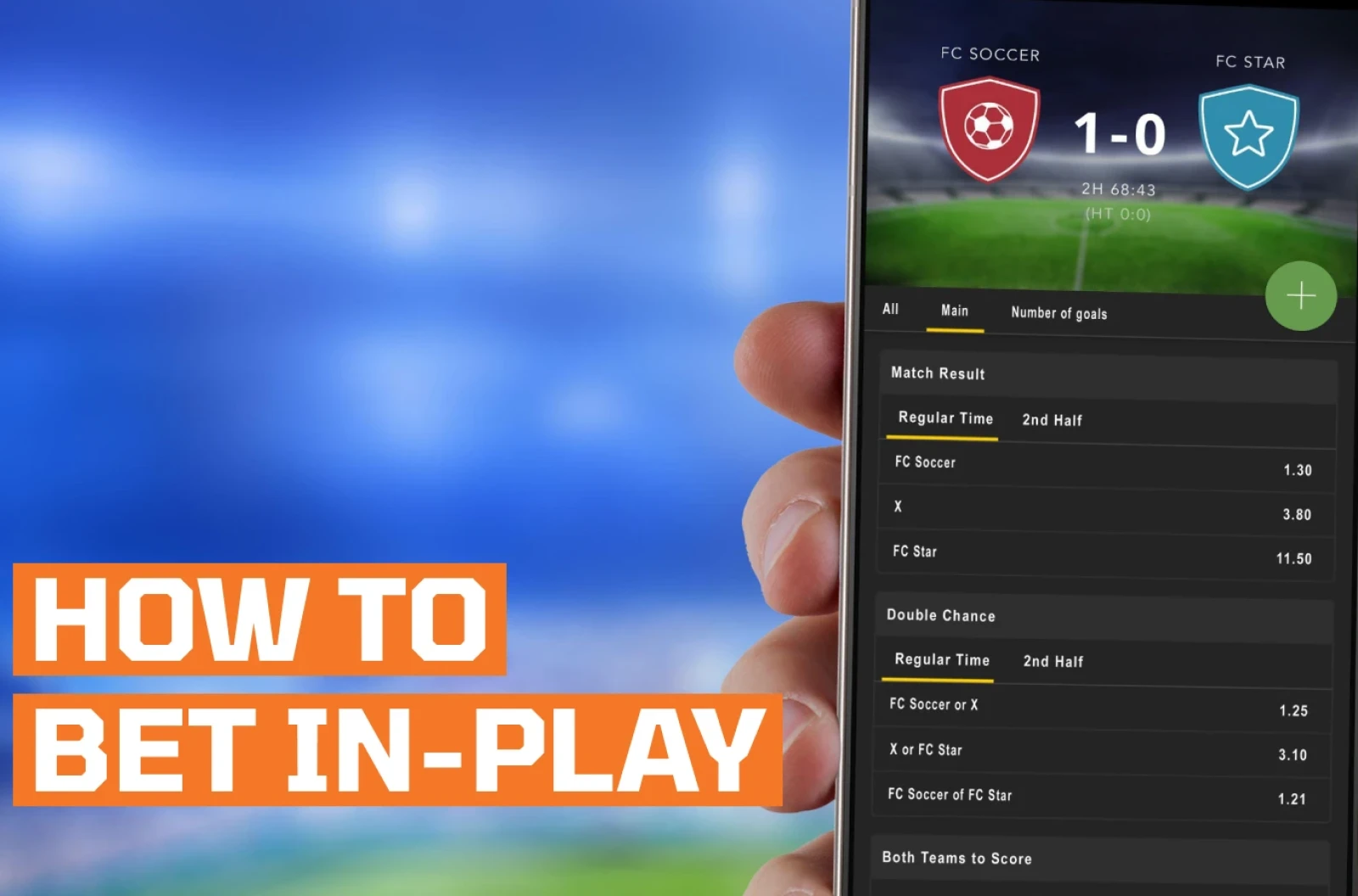
Live betting, often referred to as in-play betting, has transformed the landscape of sports wagering by introducing an intense, fast-paced environment that demands sharp analytical skills and rapid decision-making from bettors. Unlike pre-match bets, where outcomes can be considered with some degree of time and research, live betting occurs while the game is unfolding, creating a dynamic and sometimes unpredictable market. This immediacy is what distinguishes live betting and makes quick judgment not only beneficial but essential for success. Bettors must constantly process new information, evaluate evolving situations, and adjust their strategies in real-time, a challenge that tests both cognitive agility and emotional discipline.
One of the fundamental aspects of live betting is the need to interpret the flow of the game as it happens. Sports are inherently dynamic, and momentum shifts can occur within seconds. A team that dominates the first half might struggle in the second, or a key player’s injury can dramatically change the probability of certain outcomes. Successful live bettors are adept at identifying these shifts and understanding their implications for different types of bets. For example, in football, a sudden red card can alter not just the final result but also goal totals, handicaps, and corner counts. Recognizing these moments and reacting quickly allows bettors to place wagers at odds that reflect the new realities before the market adjusts, maximizing potential value.
Speed of decision-making is equally critical because the odds in live betting are highly volatile. Unlike traditional pre-game betting where odds are fixed, live odds fluctuate constantly based on real-time events and the betting market’s perception. A goal scored in the final minutes or a strategic substitution can cause instant swings in the odds. Bettors who hesitate may miss the optimal opportunity, while those who act swiftly can exploit temporary inefficiencies. This environment rewards not just knowledge of the sport but also mental agility, the ability to process multiple variables simultaneously, and the confidence to make decisive calls under pressure.
Another key factor that underscores the importance of quick judgment is risk management. Live betting involves numerous short-term decisions, each with its own probability and potential payout. Bettors must continuously assess risk-reward scenarios, considering both the likelihood of success and the potential consequences of incorrect predictions. The immediacy of the game forces them to weigh these factors rapidly, balancing aggression with caution. For instance, a bettor might recognize that a team trailing by two goals late in the match has a slim chance of catching up. Placing a high-stakes bet in that moment could be reckless, whereas a smaller, strategic wager might offer a more controlled way to engage with the market while preserving capital.
Cognitive flexibility also plays a crucial role in live betting. Preconceived expectations or biases can be dangerous when the game’s reality diverges from initial predictions. Bettors must adapt continuously, updating their assessments based on new information such as player performance, referee decisions, or environmental conditions. Those who cling rigidly to prior assumptions risk placing wagers that no longer reflect the current situation. Quick judgment involves not just speed, but also the ability to integrate fresh data into a coherent understanding of the unfolding match. This mental adaptability allows bettors to pivot their strategy, whether by adjusting stake sizes, choosing alternative betting markets, or even refraining from action when uncertainty is high.
Technological advancements have amplified both the opportunities and the demands of live betting. Sophisticated platforms provide real-time statistics, heat maps, and live video feeds, enabling bettors to make informed decisions quickly. While these tools enhance the ability to act on evolving circumstances, they also increase the cognitive load, as users must process more data than ever before. The challenge becomes filtering relevant information from noise and identifying actionable insights rapidly. Those who succeed develop not only knowledge of the sport but also a systematic approach to parsing data, spotting patterns, and making split-second judgments.
Emotional discipline is another critical component of effective live betting. The fast pace and high stakes can provoke impulsive behavior, particularly after unexpected events or losses. Bettors who allow emotion to dictate decisions may chase losses, overcommit to risky positions, or misinterpret signals from the game. Quick judgment requires a balance between intuition and rational analysis, ensuring that decisions are grounded in strategic thinking rather than reactionary impulses. Maintaining composure under pressure enables bettors to exploit transient market inefficiencies without succumbing to hasty, emotionally driven mistakes.
Moreover, live betting encourages a proactive rather than reactive mindset. Successful bettors do not merely follow the action; they anticipate potential developments and position themselves accordingly. Predictive reasoning, informed by experience and statistical analysis, allows them to forecast likely scenarios and place bets that capitalize on expected shifts in the match. This forward-thinking approach demands both speed and precision, as the window of opportunity can be extremely narrow. The combination of anticipation, observation, and rapid execution distinguishes highly skilled live bettors from casual participants who struggle to keep pace with the game’s tempo.
In conclusion, live betting represents a unique form of sports wagering that emphasizes speed, adaptability, and informed decision-making. The constantly changing dynamics of a live game, coupled with volatile odds and immediate risk-reward considerations, create an environment where quick judgment is not optional but essential. Bettors must integrate real-time information, manage risk, maintain emotional control, and anticipate developments to succeed. Mastery in live betting requires more than knowledge of the sport; it demands mental agility, strategic thinking, and disciplined execution. Those who can navigate these challenges effectively gain a distinct advantage, transforming the thrill of in-play wagering into a calculated pursuit of opportunity.




Leave a Reply