
Odds movement in betting markets is more than just a reflection of changing probabilities; it serves as a crucial signal of market sentiment and confidence. When bettors, bookmakers, and analysts observe shifts in odds, they are effectively seeing the market’s collective response to new information, performance trends, or strategic actions. Understanding why odds move, and what these movements indicate, is essential for anyone seeking to interpret betting markets intelligently. Odds movements often reveal deeper insights than static odds ever could, acting as a dynamic indicator of confidence in teams, players, or outcomes.
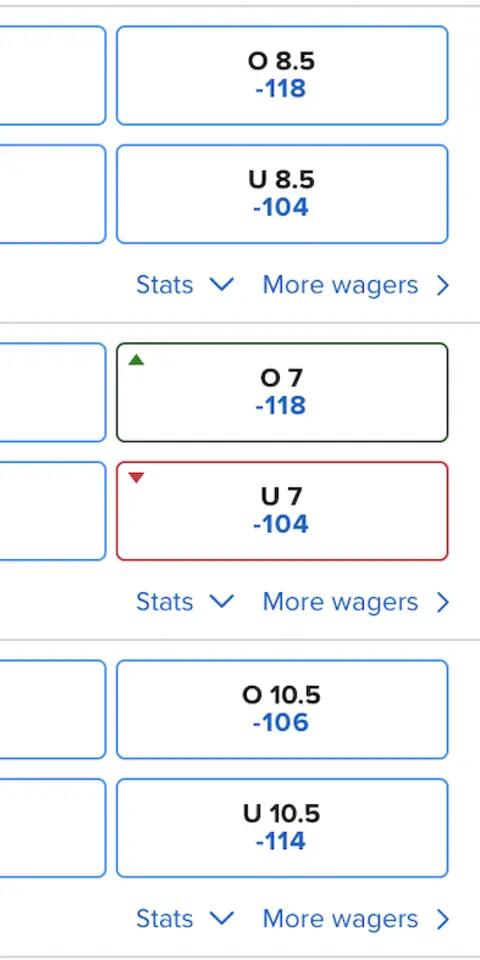
At its core, odds movement is a measure of perceived risk. When a particular outcome sees its odds shorten, it generally indicates that more money is being wagered on it, or that new information favors that outcome. This influx of attention signals that the market, in aggregate, has increased confidence in the likelihood of that event occurring. Conversely, when odds drift longer, it suggests reduced confidence, perhaps due to injuries, lineup changes, or tactical considerations that negatively impact expected performance. These fluctuations are not random; they are driven by complex interactions between bettor behavior, bookmaker adjustments, and broader external factors that influence perceptions of probability.
The psychology behind odds movement is intertwined with market efficiency. Bookmakers adjust odds not only to reflect probability but also to balance their exposure and ensure profitability. When significant bets come in on one side, odds are adjusted to mitigate potential losses. Bettors observing these shifts interpret them as signals: heavy money on one team or player implies informed participation or insider knowledge, enhancing perceived confidence in that outcome. Experienced bettors recognize that rapid, consistent odds shortening often coincides with high confidence levels and market alignment, while inconsistent movements may indicate uncertainty or manipulation attempts.
Information flow is another critical driver of odds movement. Sports events, political outcomes, or financial markets are highly dynamic, and new developments—such as player injuries, team form, or strategic changes—can significantly alter the likelihood of an outcome. The betting market is highly responsive to this information, and odds act as a barometer. When news breaks, the speed and magnitude of odds movement reflect how seriously the market takes this information. Large, immediate adjustments suggest a high level of confidence in the impact of the news, whereas gradual changes indicate more cautious sentiment. This responsiveness underscores the idea that odds movement embodies collective judgment, synthesizing disparate inputs into a single, interpretable signal.
Market confidence is also expressed through liquidity and volume. Outcomes that attract heavy betting activity tend to have smaller margins for odds shifts, because the volume of bets stabilizes the market. However, sudden spikes in wagering can force bookmakers to adjust odds rapidly, signaling that the market is reacting strongly to perceived changes in probability. Observers can use these patterns to gauge where confidence lies. A market that moves quickly in response to substantial bets or new information suggests active, engaged participants with strong convictions about the outcome, whereas slow-moving markets indicate indecision or balanced perceptions of risk.
Another dimension is the strategic interpretation of odds movement. Savvy bettors analyze not just the direction of change but the rate and context. A gradual shortening of odds over several days may signal building confidence based on form or trends, while abrupt, sharp adjustments could indicate insider insights or unexpected events. Moreover, comparing odds movement across multiple bookmakers can reveal market consensus or divergence. When multiple platforms simultaneously shorten odds on the same outcome, it demonstrates broad-based confidence and suggests that the market’s collective view strongly favors that result. Conversely, conflicting movements may highlight uncertainty or divergent opinions, signaling areas where additional analysis is warranted.
Odds movement also conveys risk management practices within the market. Bookmakers, aware that large liabilities can be costly, use odds adjustments as a form of market signaling. By lengthening or shortening odds, they communicate implicit confidence or caution to bettors, guiding wagering behavior while managing exposure. Bettors interpreting these movements are, therefore, seeing not just probability adjustments but strategic signals about risk and confidence within the market. Over time, patterns in odds movement can serve as a predictive tool, allowing participants to anticipate reactions to similar scenarios and understand where confidence is concentrated.
Historical context enhances the interpretation of odds movement. Past trends show that certain patterns, such as consistent shortening of favorites or sudden spikes against underdogs, are often associated with market confidence and informed betting. Statistical analysis of these trends allows participants to quantify how odds movements correlate with actual outcomes, improving predictive insight. This combination of behavioral observation, strategic interpretation, and historical benchmarking provides a robust framework for understanding how the market signals confidence through odds shifts.
Ultimately, odds movement represents a dynamic, continuously updated signal of market confidence. It integrates information, behavioral trends, and risk management strategies into a single, interpretable metric. For bettors and analysts alike, understanding these movements offers insights into the collective wisdom of the market and highlights where confidence is concentrated or lacking. By monitoring odds changes, participants can make more informed decisions, align with market sentiment, and anticipate shifts in probability assessments. Rather than static snapshots, odds movements are living reflections of confidence, providing a rich, actionable lens through which to view the betting landscape.



Leave a Reply