
Slot machines are designed with a combination of technology, psychology, and probability that influences how players engage with them. One of the less obvious yet powerful aspects of slot gameplay is the role of timing. Understanding the timing mechanisms of slots, whether digital or mechanical, can significantly enhance a player’s approach, encouraging breaks that maintain focus, prevent fatigue, and foster smarter betting strategies.
At the core of slot timing is the concept of session pacing. Unlike table games, where each round requires direct player interaction, slot machines operate on continuous cycles. Each spin is independent, determined by a random number generator (RNG) in digital slots or a mechanical randomness system in traditional machines. The duration of each spin, often ranging from a few seconds to a dozen seconds, establishes a rhythm that players naturally follow. This rhythm can subtly dictate when a player feels compelled to continue or pause, even without conscious awareness. Recognizing this rhythm is the first step in encouraging intentional breaks during play.
Modern slot platforms often include features that enhance the temporal awareness of players. Auto-spin options, for instance, allow spins to occur at predetermined intervals without manual input. While convenient, these features can accelerate gameplay and mask the natural need for breaks. Savvy players learn to use auto-spin strategically, setting limits on consecutive spins or incorporating pauses after a set number of rounds. By doing so, they not only manage their bankroll effectively but also reduce cognitive fatigue, maintaining the clarity needed to make informed decisions.
The concept of timing also intersects with the psychology of reward anticipation. Slot machines are structured to provide intermittent reinforcement—a pattern where wins occur unpredictably. This unpredictability can create a compelling urge to keep spinning, as players anticipate the next reward. By consciously inserting breaks between sessions, players interrupt the reinforcement loop, preventing impulsive continuation that may lead to excessive losses. These micro-breaks serve a dual purpose: they give the mind time to reset and offer an opportunity to evaluate recent results, reassess strategy, and make adjustments based on observed patterns.
Timing-based breaks are particularly beneficial when combined with pre-established play limits. Players who set session durations or a maximum number of spins create natural stopping points. For example, a player might decide to engage in a 30-minute session or complete 50 spins before taking a break. This approach transforms the concept of timing from a passive experience dictated by machine cycles into an active tool for self-regulation. It also instills discipline, a critical component of sustainable gaming, by helping players avoid the trap of chasing losses or extending sessions beyond their comfort zone.
Physical timing cues also play a significant role. Many modern slot environments, both online and in casinos, incorporate visual and auditory signals that punctuate each spin. Flashing lights, spinning reels, and celebratory sounds upon wins provide external markers of time passage. These cues, when observed consciously, can signal to the player that it may be an appropriate moment to pause. Mindful players learn to associate these sensory signals with reflection moments, using them to track their engagement and determine when to step away. This interplay between external stimuli and self-regulated timing promotes healthier gaming habits.
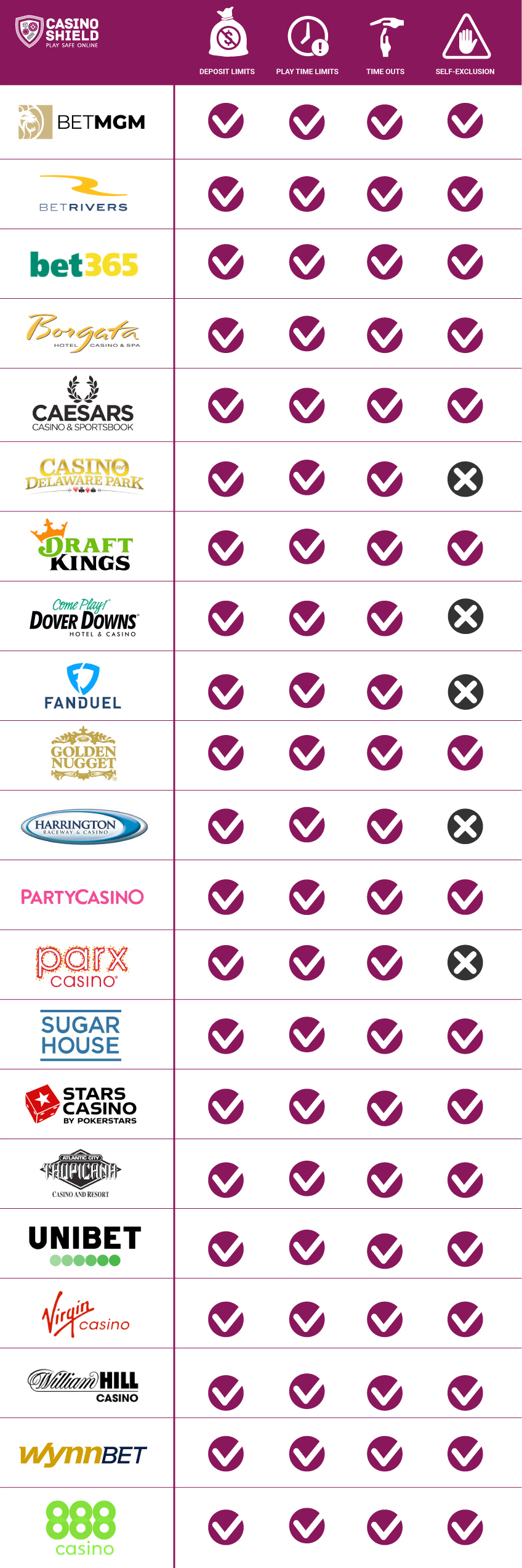
Additionally, technology increasingly supports intentional breaks through built-in features. Online platforms often provide session reminders, pop-up alerts, or cooling-off options after extended play periods. These tools acknowledge that timing is not just an inherent property of gameplay but a modifiable aspect that can support responsible engagement. Players who heed these reminders benefit from structured intervals, which serve both mental and financial well-being. Incorporating such pauses prevents the erosion of decision-making quality that comes from prolonged, uninterrupted play.
Timing awareness is also closely linked to strategic play. Experienced players understand that certain bonus features, progressive jackpots, or high volatility slots require careful bankroll management. By spacing out play sessions, they create opportunities to analyze the probability of entering these special rounds and evaluate whether continued play aligns with their objectives. This deliberate pacing reduces impulsive behavior and encourages measured risk-taking, transforming slot engagement from a purely reactive activity into a strategic exercise.
Beyond the individual, timing-induced breaks have social and environmental benefits. Stepping away from the machine allows players to interact with companions, observe other players, or simply absorb the environment. This social dimension can reinforce the pause, making it psychologically rewarding and less likely to feel like a forced interruption. In online contexts, logging out temporarily or switching to a different activity can similarly provide a mental reset, reinforcing healthy engagement habits.
Ultimately, understanding slot timing equips players with a subtle yet powerful tool for maintaining balance. It highlights that the mechanics of spinning reels are not just a source of entertainment but also a guide for pacing oneself. By respecting the natural rhythm of spins, observing cues, using built-in technological aids, and setting deliberate intervals, players can prevent burnout, sustain enjoyment, and make more calculated decisions. Timing, therefore, is not just a background feature of slot machines; it is an integral element that, when leveraged consciously, promotes smarter session breaks, better bankroll control, and a more rewarding gaming experience.
This approach underscores the importance of intentionality in slot play. Players who align their actions with the temporal patterns of the game—rather than reacting purely to wins and losses—gain a clearer perspective, preserve mental acuity, and enhance overall satisfaction. In a landscape where continuous engagement can easily lead to overextension, the strategic use of slot timing transforms gameplay into a thoughtful, disciplined, and sustainable pursuit.








Leave a Reply